Menopause averted a midlife energetic crisis with help from older children and parents: A simulation study
February 26, 2026
Menopause is rare
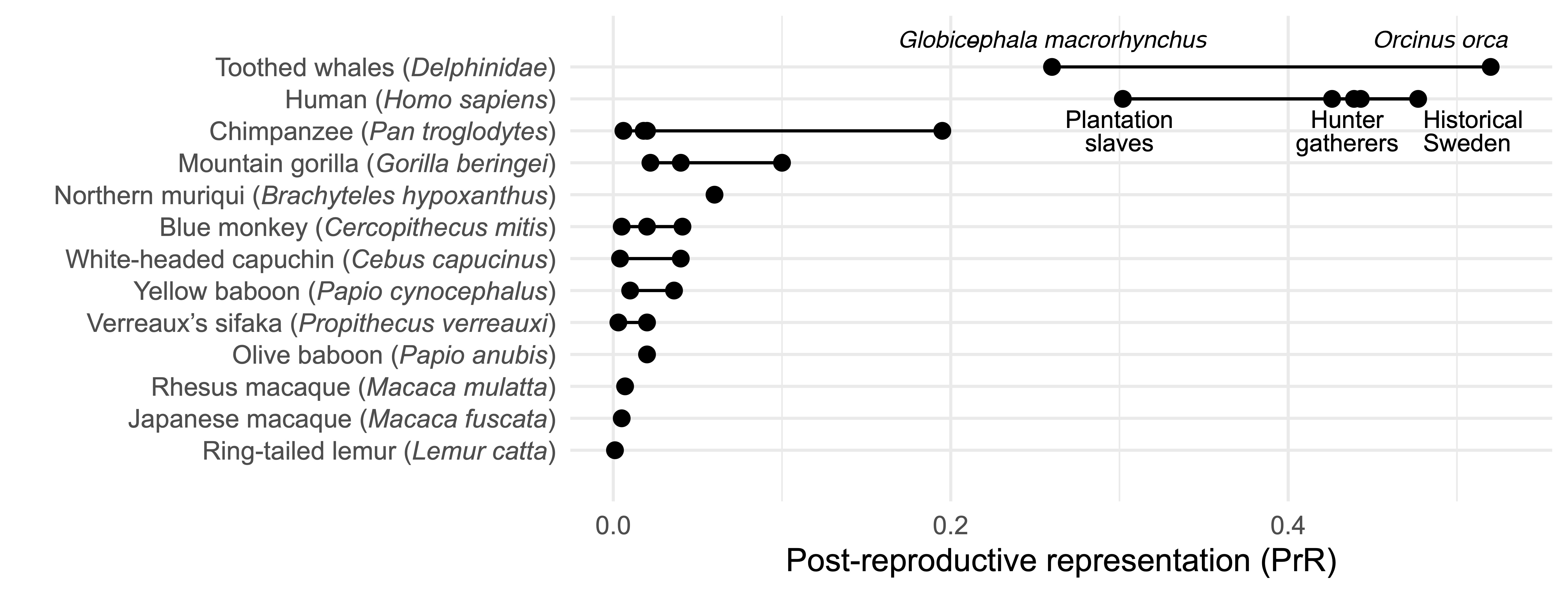
Wood et al. (2023)
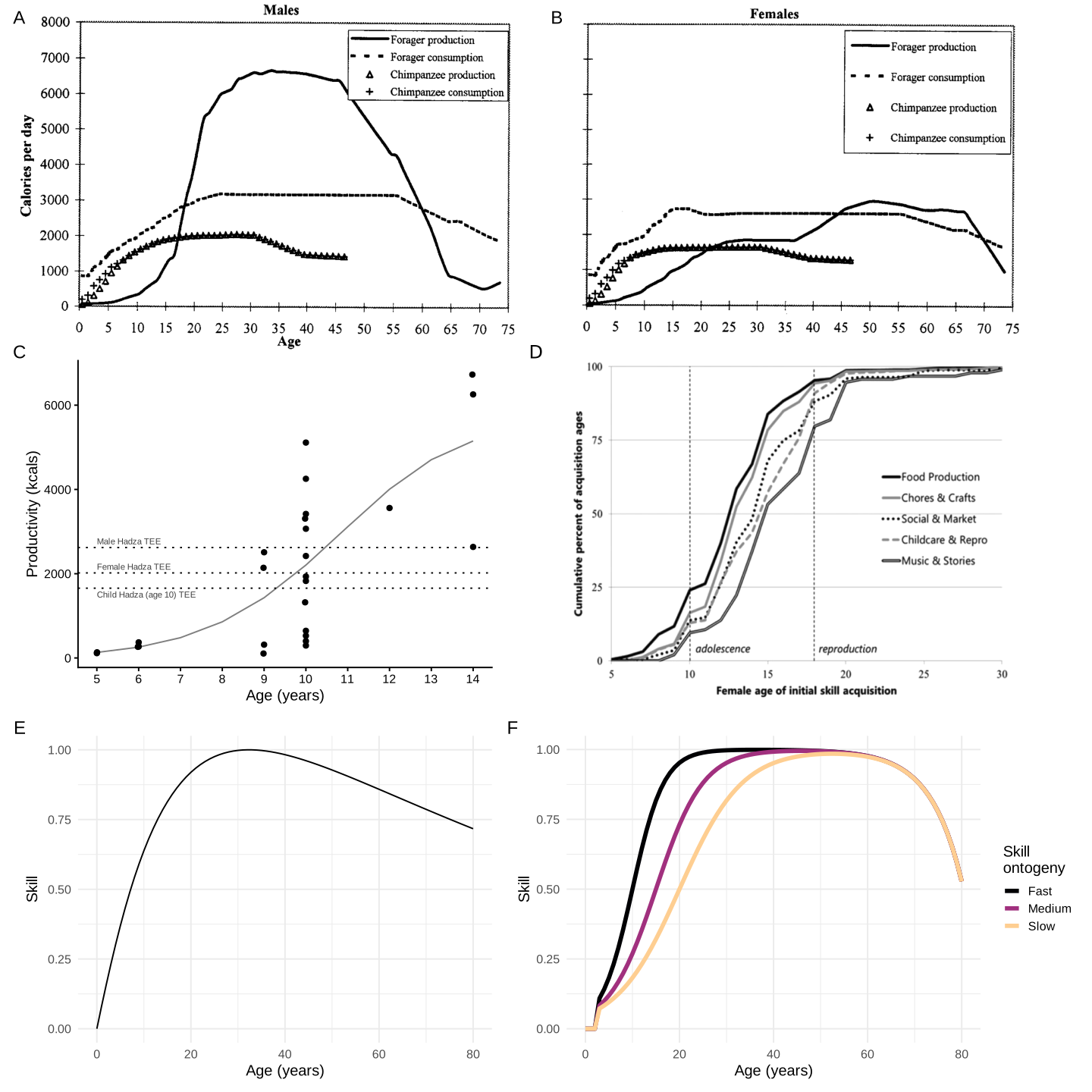
New data on the ontogeny of foraging skills
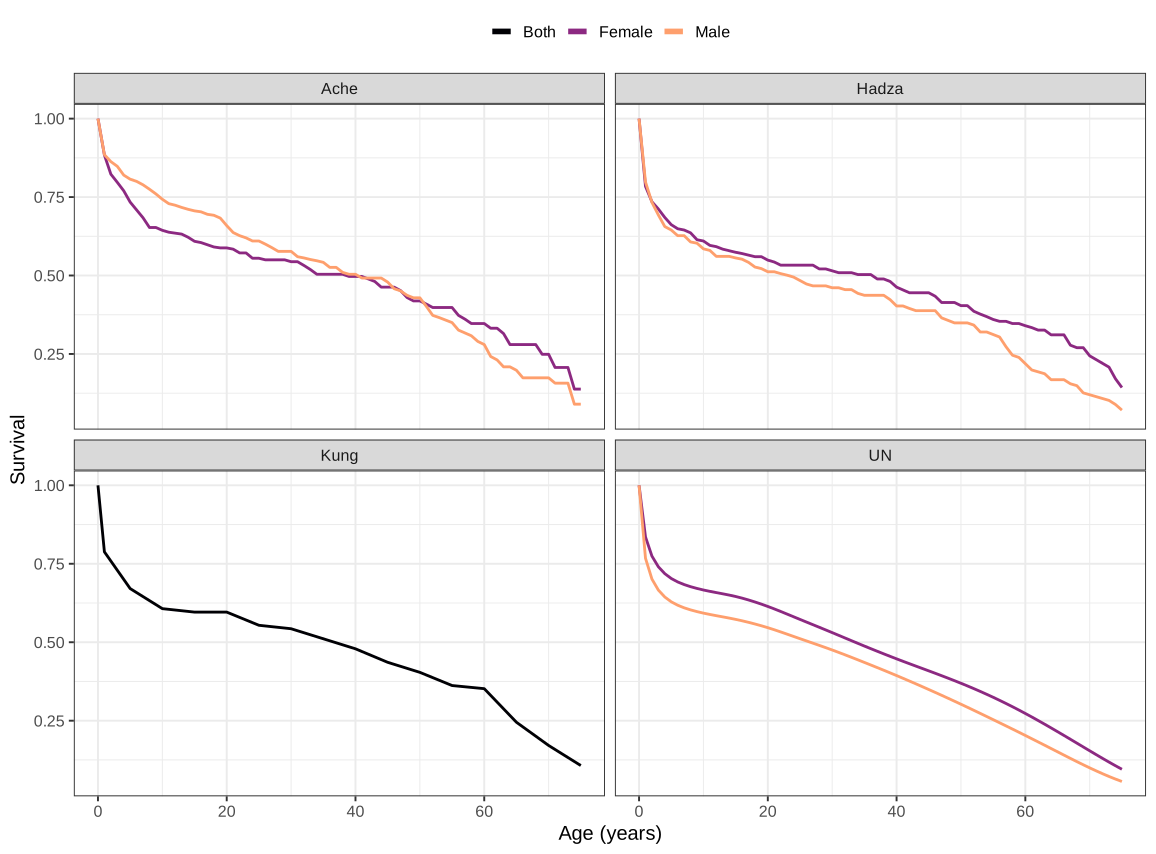
Age- and sex-specific survivorship (mortality)
Hunter-gatherer family energy consumption
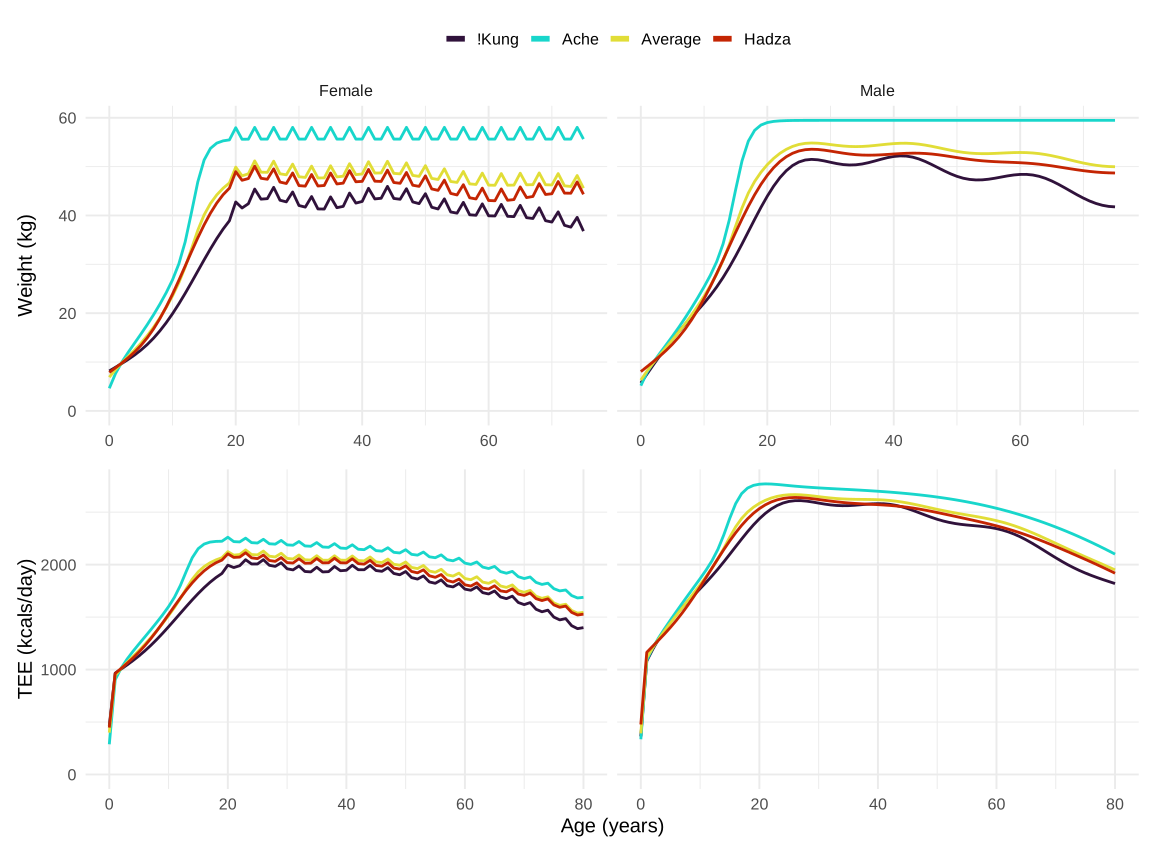
Total energy expenditure (TEE) from global samples using doubly labeled water (Pontzer et al. 2021; Bajunaid et al. 2025)
Hunter-gatherer energy production
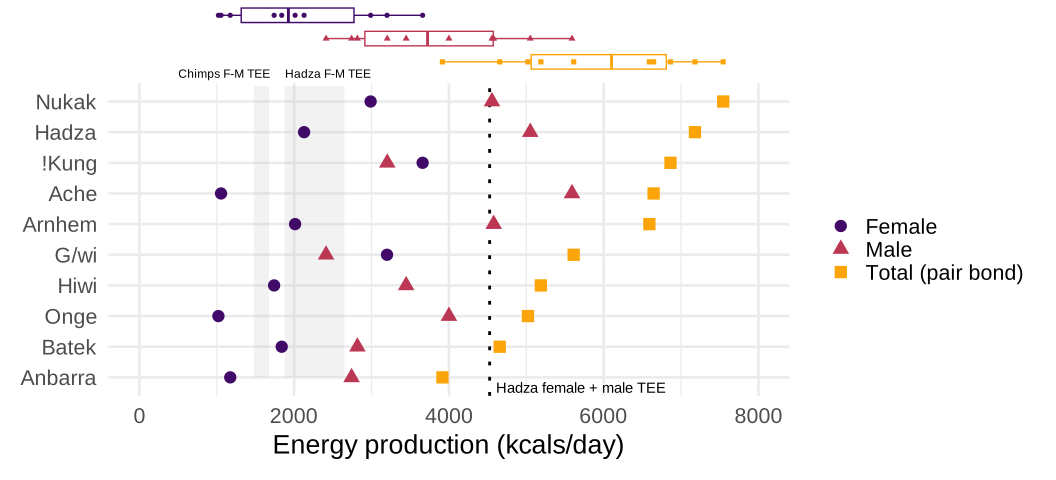
Kraft et al. (2021)
Hunting and gathering skill ontogeny
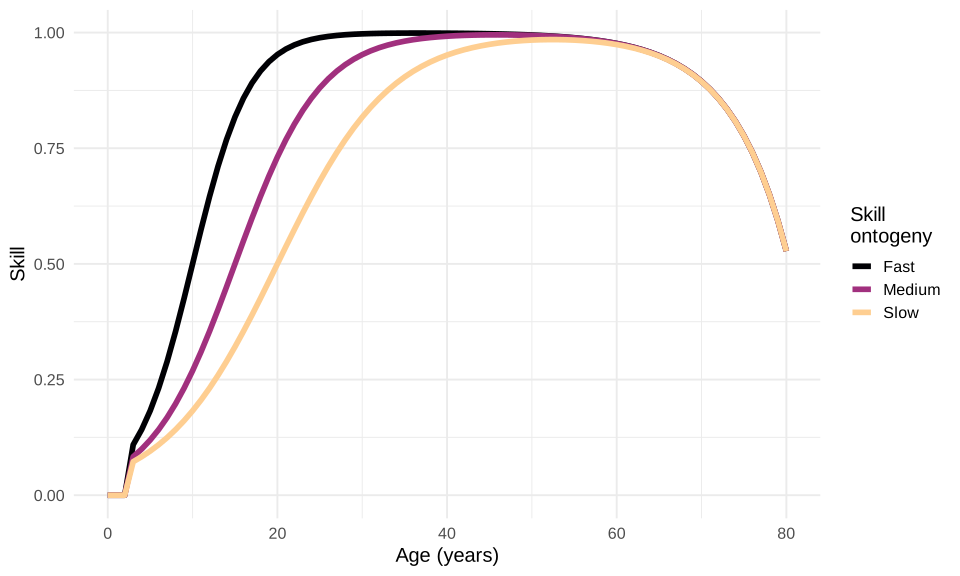
| Skill ontogeny | \(b_1\) | 50% | 95% |
|---|---|---|---|
| Fast | 0.40 | 10 | 17 |
| Medium | 0.25 | 15 | 27 |
| Slow | 0.15 | 20 | 40 |
Parent joint energy production
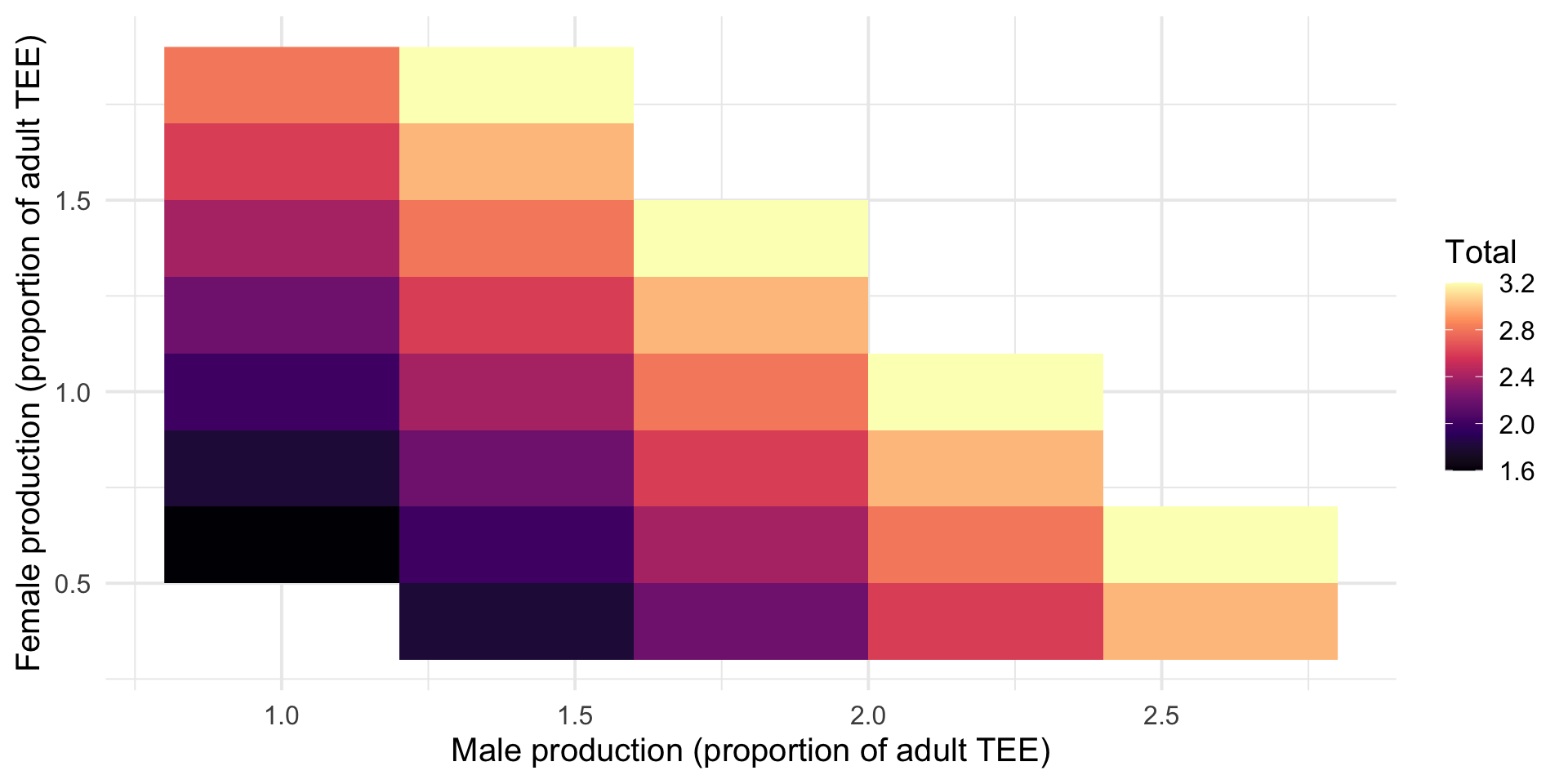
Family size

Family consumption and production
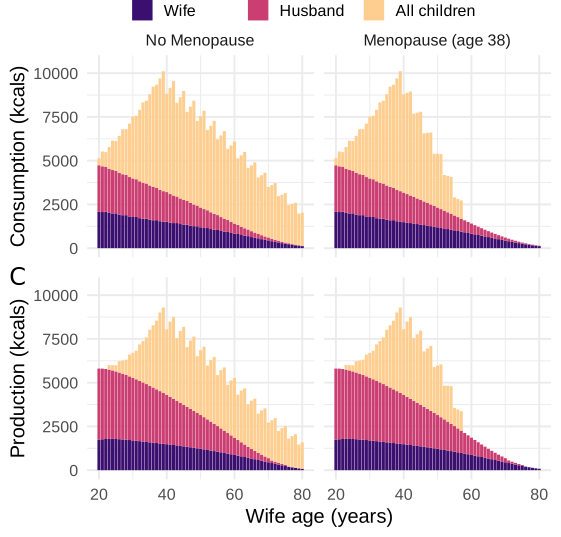
Energy balance
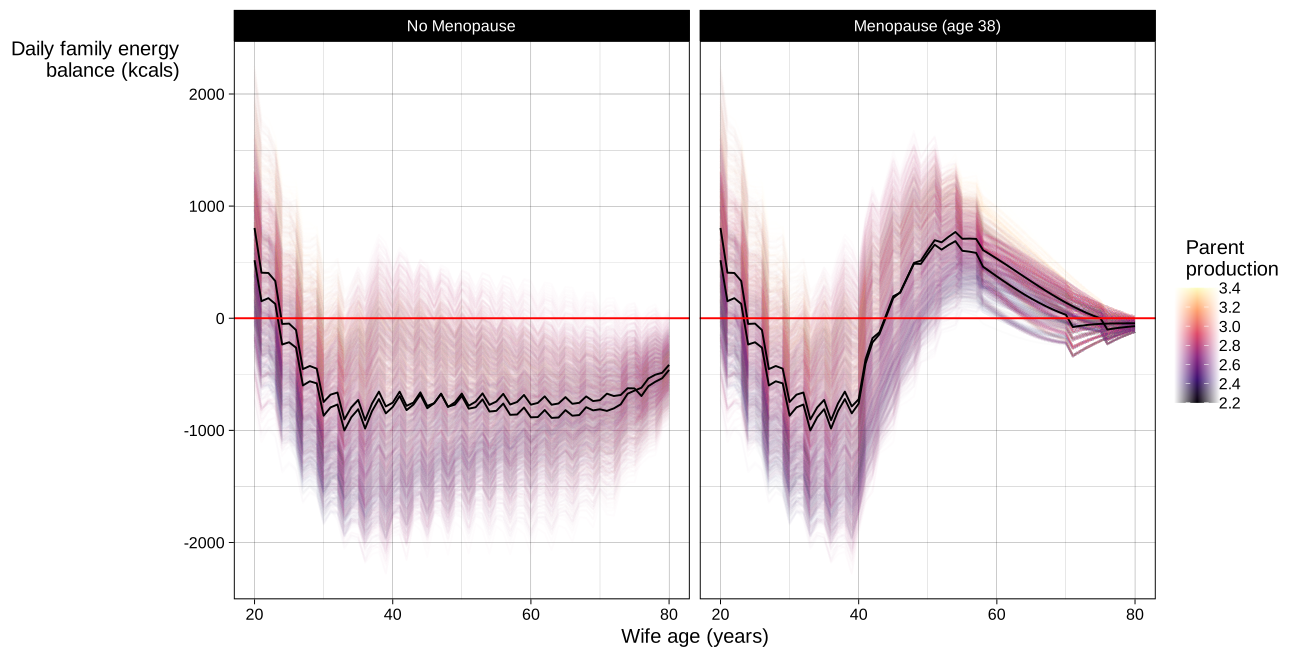
Menopause with and without child production
The mismatch?
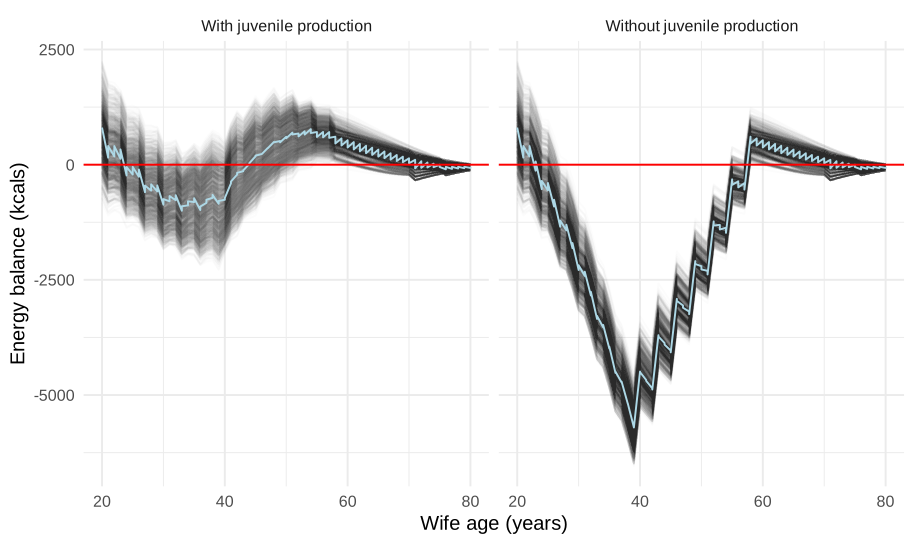
Concluding remarks

Relatively rapid reproduction of slow developing, energetically expensive offspring threatened to plunge families into energy deficit
Young couples without kids produced a surplus, perhaps subsidizing the wife’s younger siblings (bride service)
Menopause limited family size to a sustainable level
Maturing offspring began to support themselves early on
Older parents with few offspring produced a surplus, subsidizing their children’s families
Results are generally consistent with ECM and the grandmother hypothesis
Mismatch: In WEIRD societies, kids often don’t support themselves or their siblings, motivating smaller families?