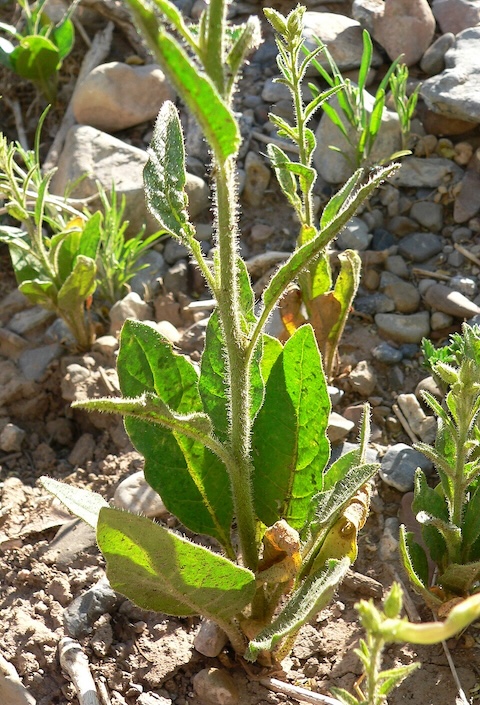
The Pleistocene transition to meat eating and the evolution of “recreational” drug use

Ed Hagen

Washington State University

December 8, 2025

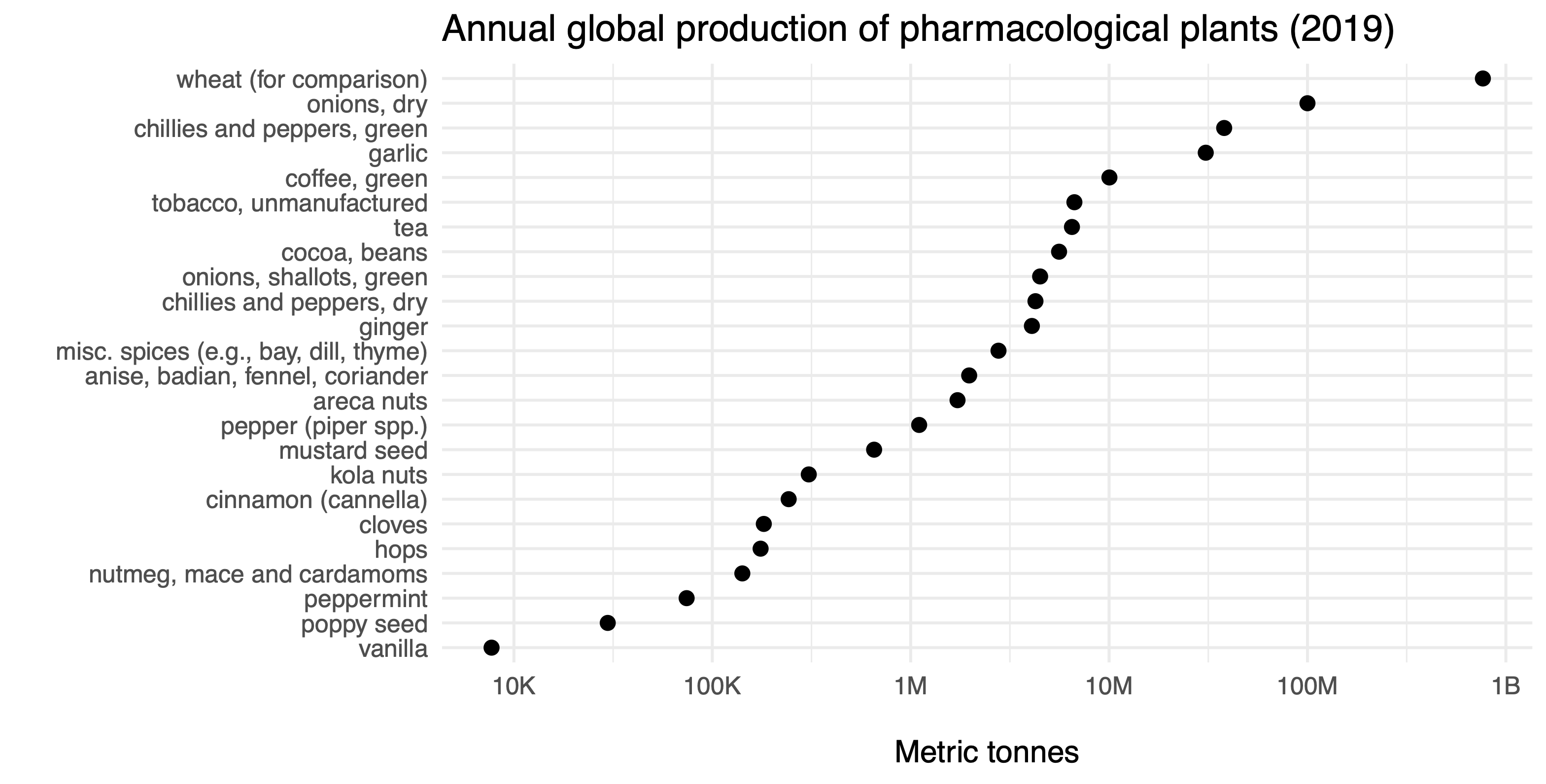
The voracious appetite for psychoactive plants has shaped the modern world
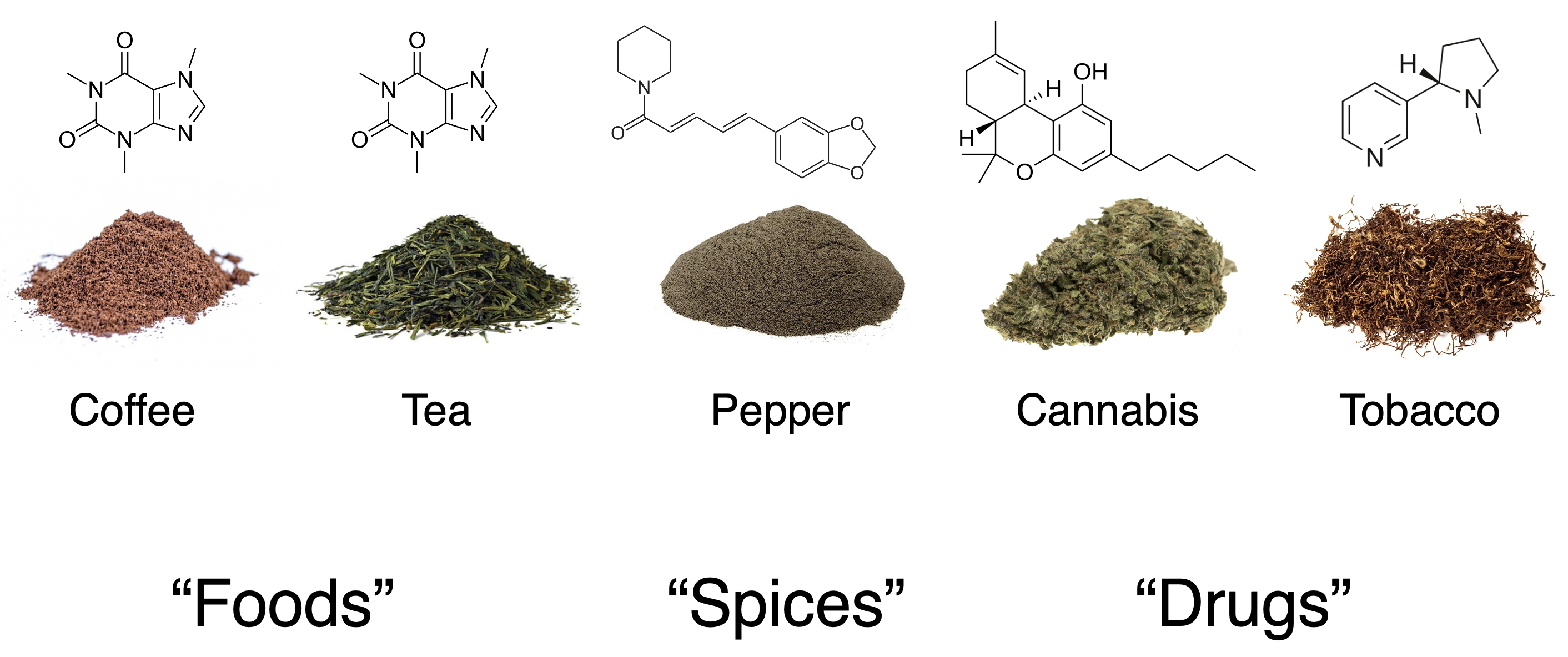
Global spice trade today (Food and Agriculture Organization 2019)
Global drug mortality
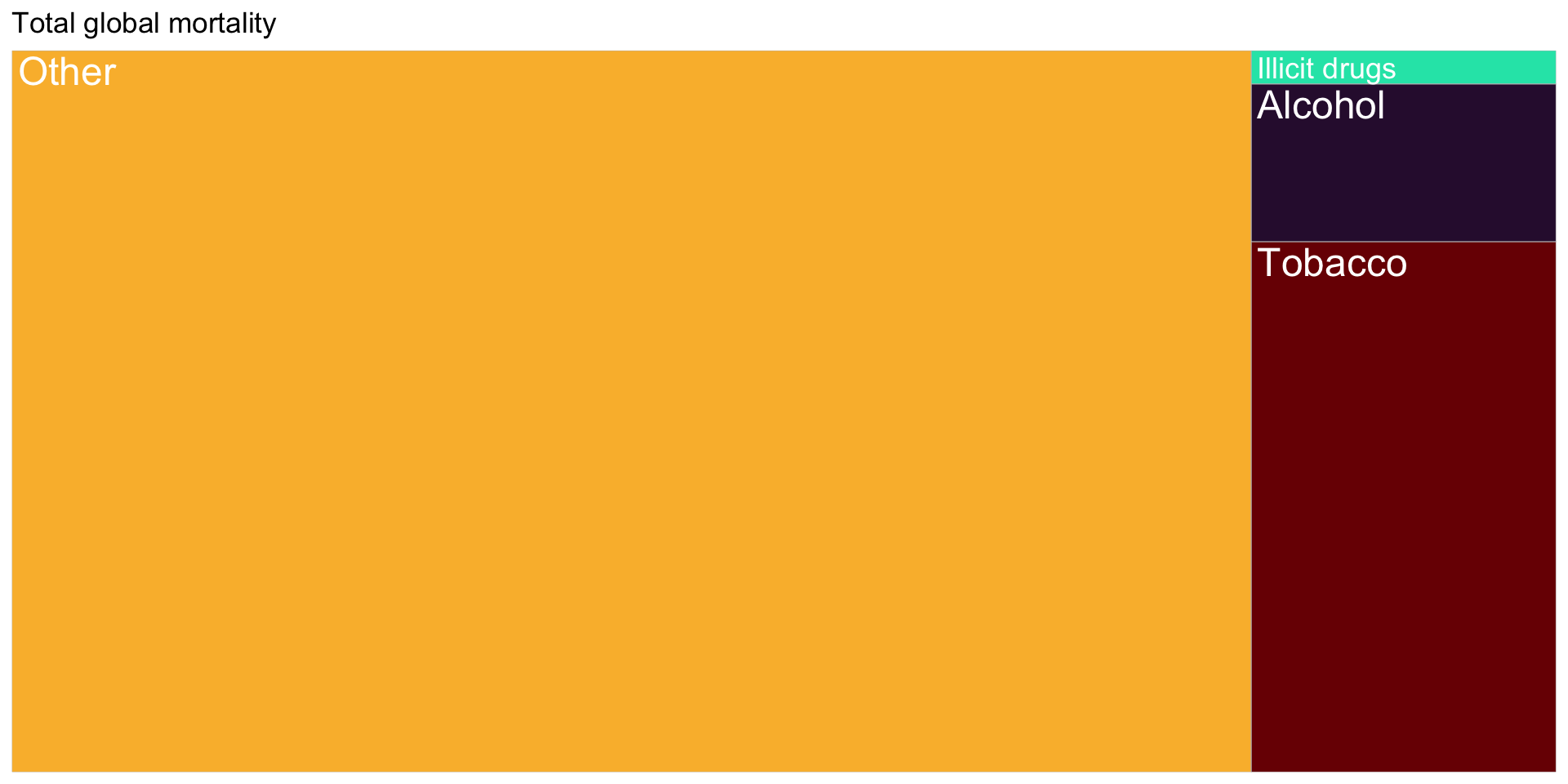
Goodchild, Nargis, and d’Espaignet (2018)

Why?

The mainstream hijack hypothesis

How it started…

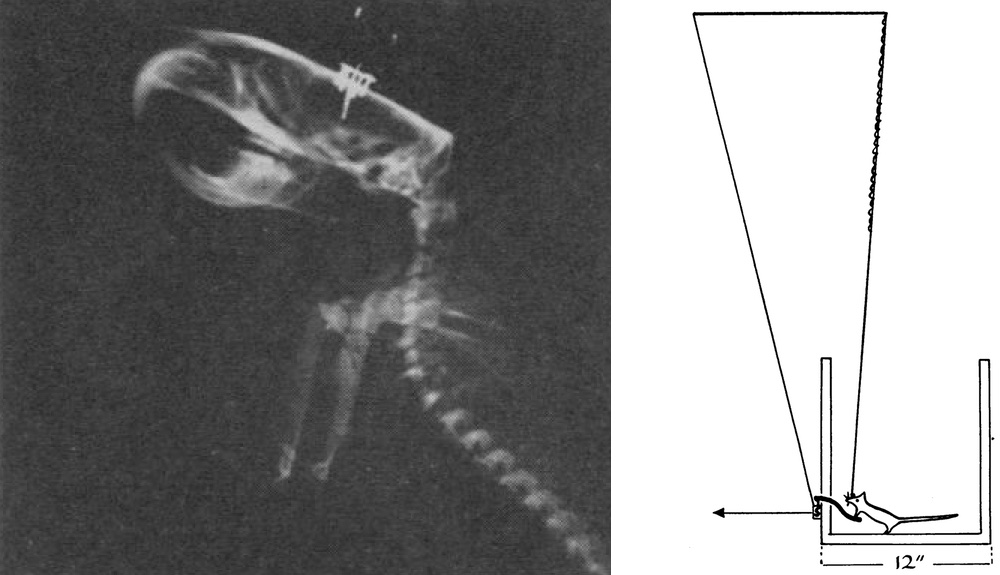
A wire in the midbrain

Olds and Milner (1954) Brain stimulation reward

Midbrain dopamine neurons as a “pleasure center”

Until a more adequate view comes along it seems useful to consider the dopamine synapse as, among other things, a pleasure center in the brain.

Roy Wise 1980 The dopamine synapse and the notion of ‘pleasure centers’ in the brain

Wise 1998: Evolutionary novelty

A wide variety of biologically important stimuli [e.g., food, sex] can serve as rewards and establish adaptive behavior patterns in higher animals. Such stimuli act through brain mechanisms that evolved long before the human invention of the hypodermic syringe, the human harnessing of fire, or the human development of methods for refining and concentrating psychoactive substances that occur in nature.

The “hijack” hypothesis

There is a mismatch between our evolved reward neurobiology and evolutionarily novel drugs

How it’s going

Dopamine does not mediate reward

Dopamine was initially thought to function as the internal representation of a hedonic state (pleasure), but this has been shown not to be the case, as animals can still exhibit positive hedonic responses in the absence of dopamine….Mice in which dopamine is blocked or absent exhibit a clear preference (liking) for sweet fluids…over unsweetened alternatives….

Hyman, Malenka, and Nestler (2006)

Dopamine has many functions

Some are reward-related, many are not

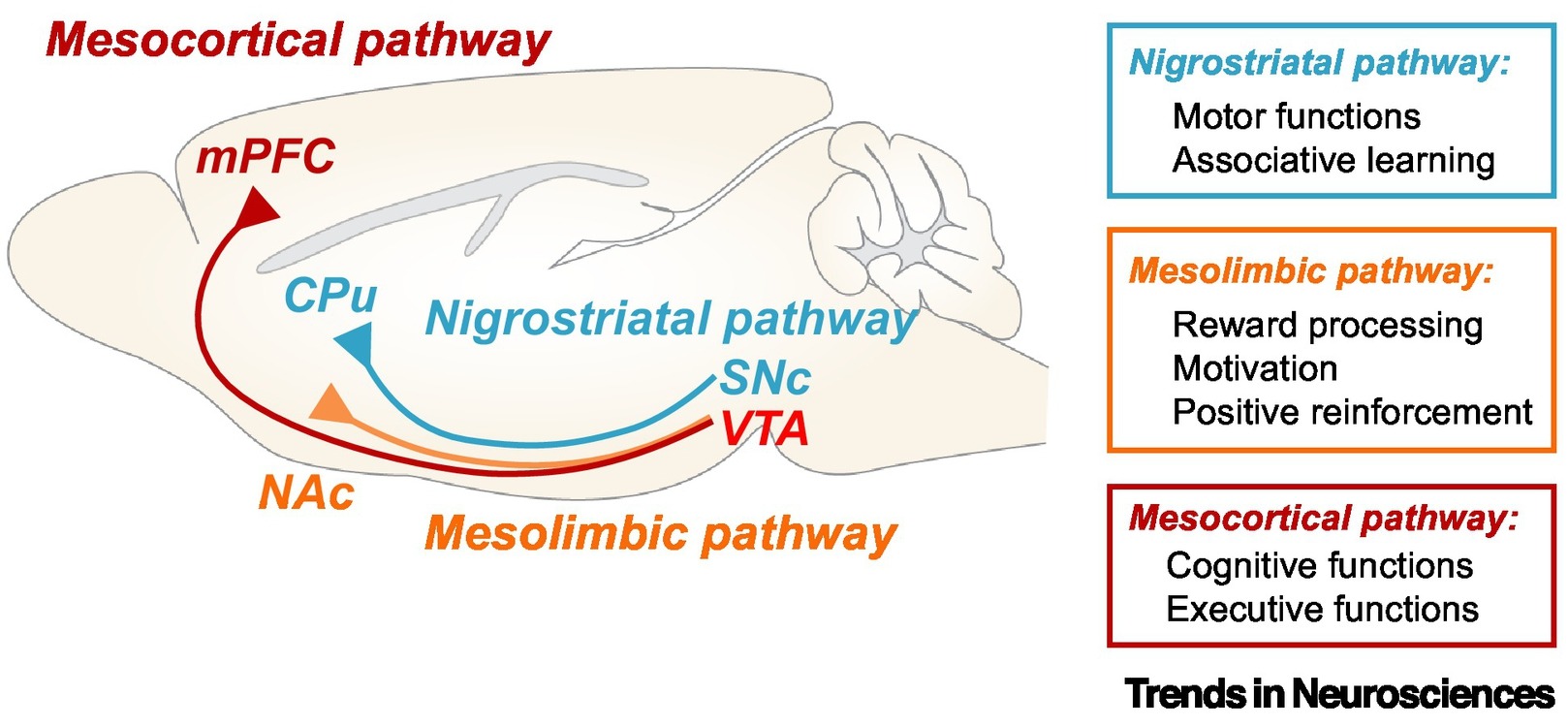
Major dopamine pathways

Establishing functionally segregated dopaminergic circuits (Terauchi, Johnson-Venkatesh, and Umemori 2025)

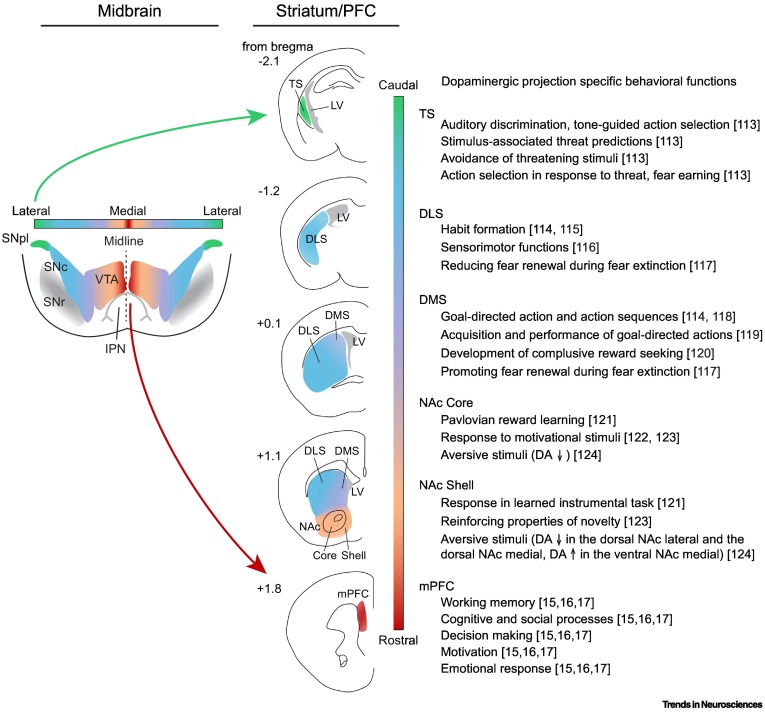
Many midbrain dopamine neuron subtypes

The midbrain dopamine (mDA) system is composed of molecularly and functionally distinct neuron subtypes that mediate specific behaviours

Garritsen et al. (2023)

Spatial and temporal precision

DA signaling has been largely thought to involve a slow and diffuse mode of transmission. However, our data indicate that DA release can be short-lived (~100 ms) and highly localized (<5 μm), allowing the possibility for release events to signal at precise, subcellular scales.

Yee et al. (2025)

Dopamine functions

Establishing functionally segregated dopaminergic circuits (Terauchi, Johnson-Venkatesh, and Umemori 2025)

Drug use involves many parts of the brain

Some are dopaminergic, many are not

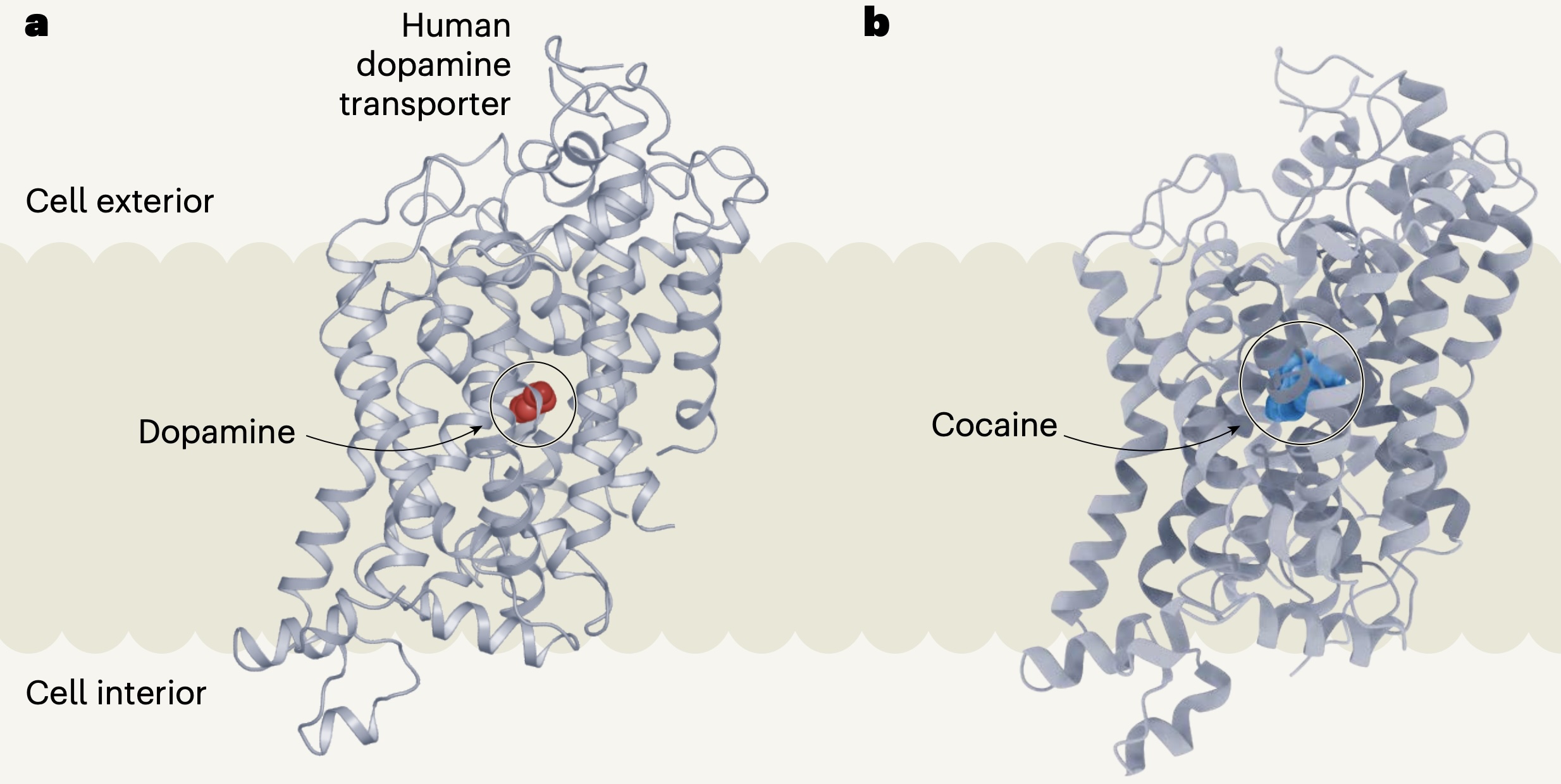
Cocaine inhibits dopamine reuptake

Sitte (2024)
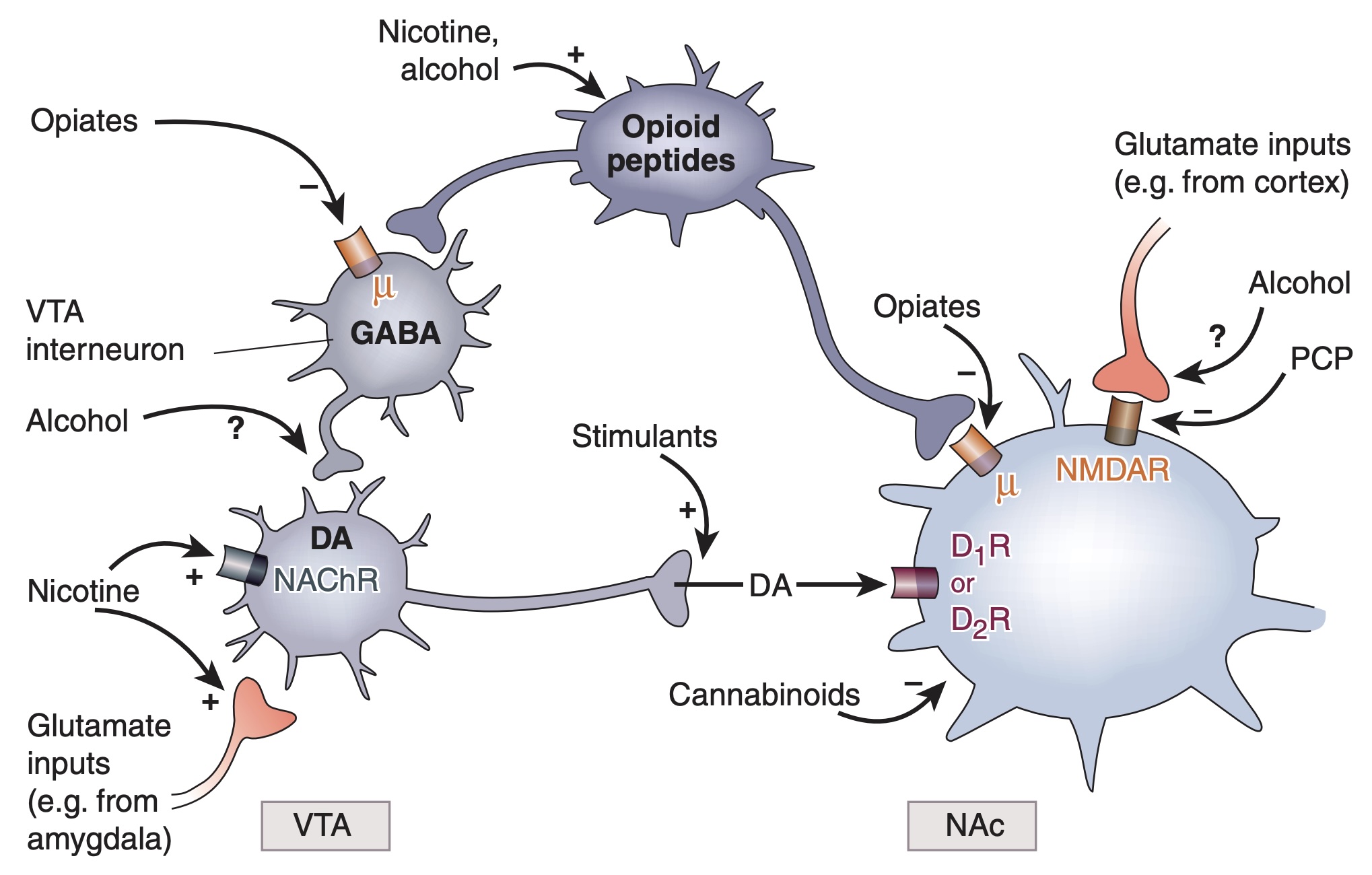
Hyman, Malenka, and Nestler (2006)
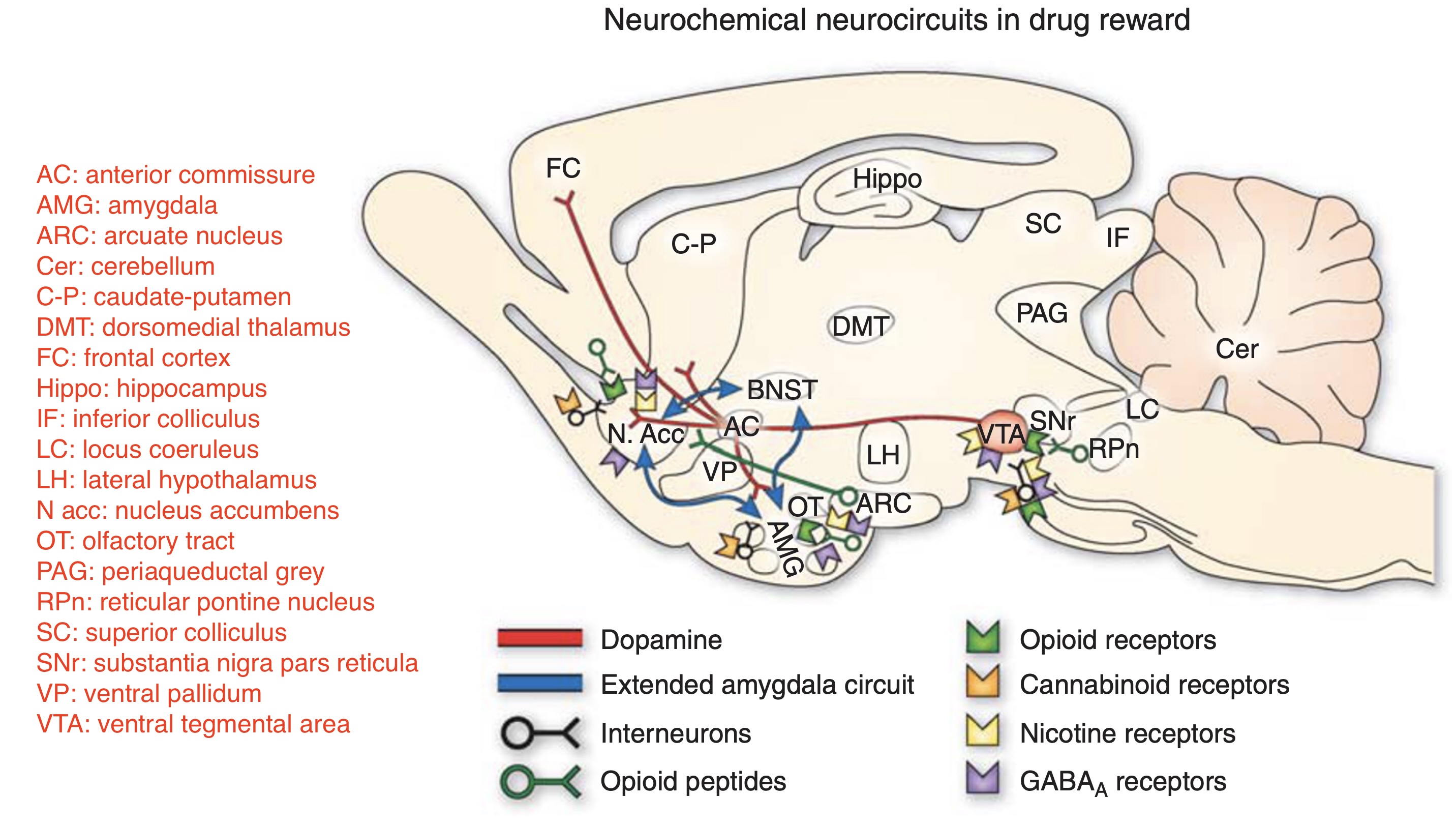
Koob and Volkow (2009)
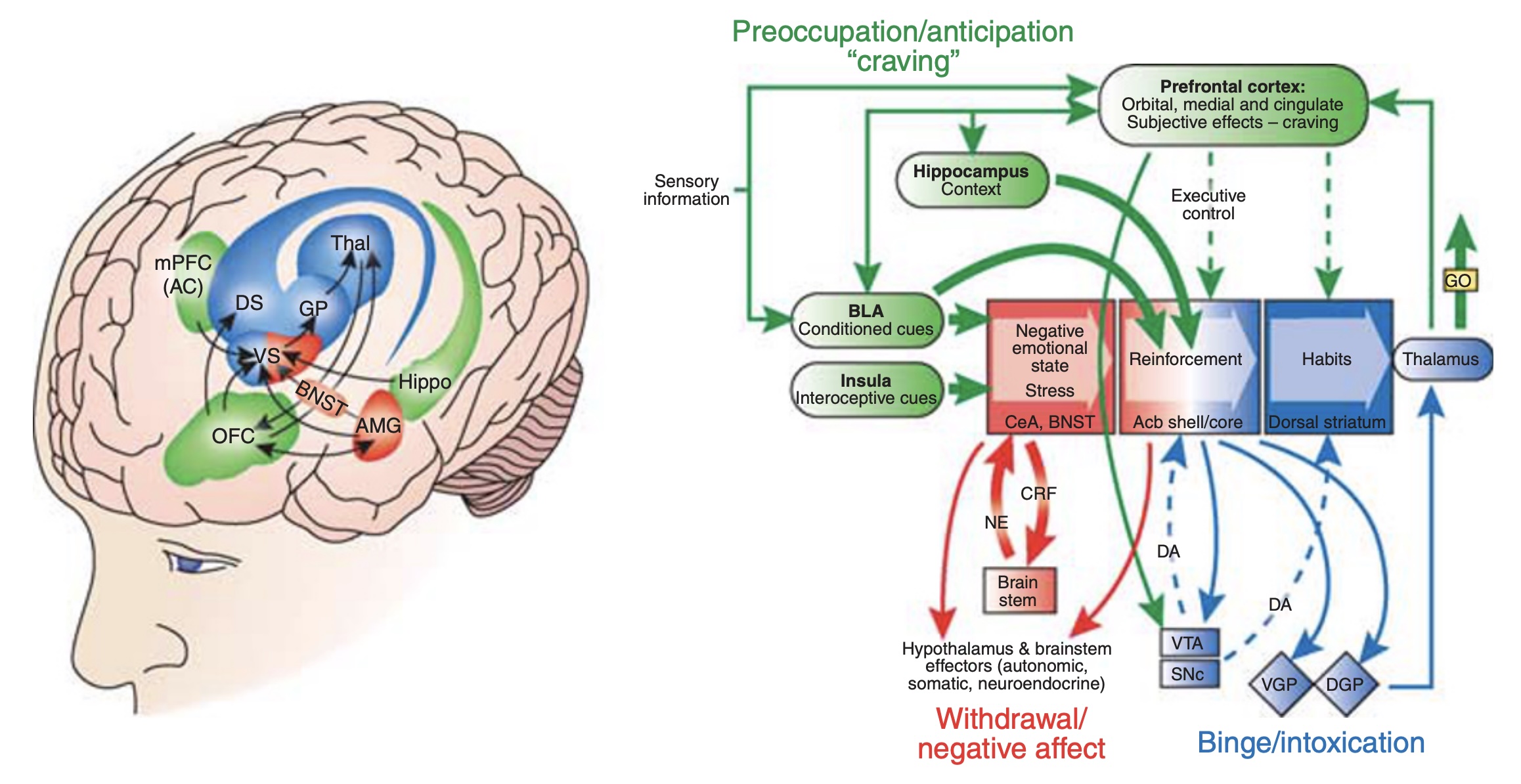
Koob and Volkow (2009)
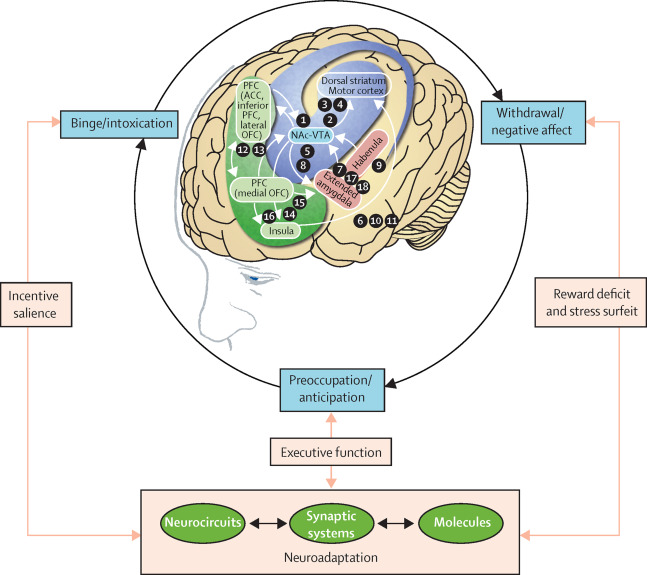
Koob and Volkow (2016)
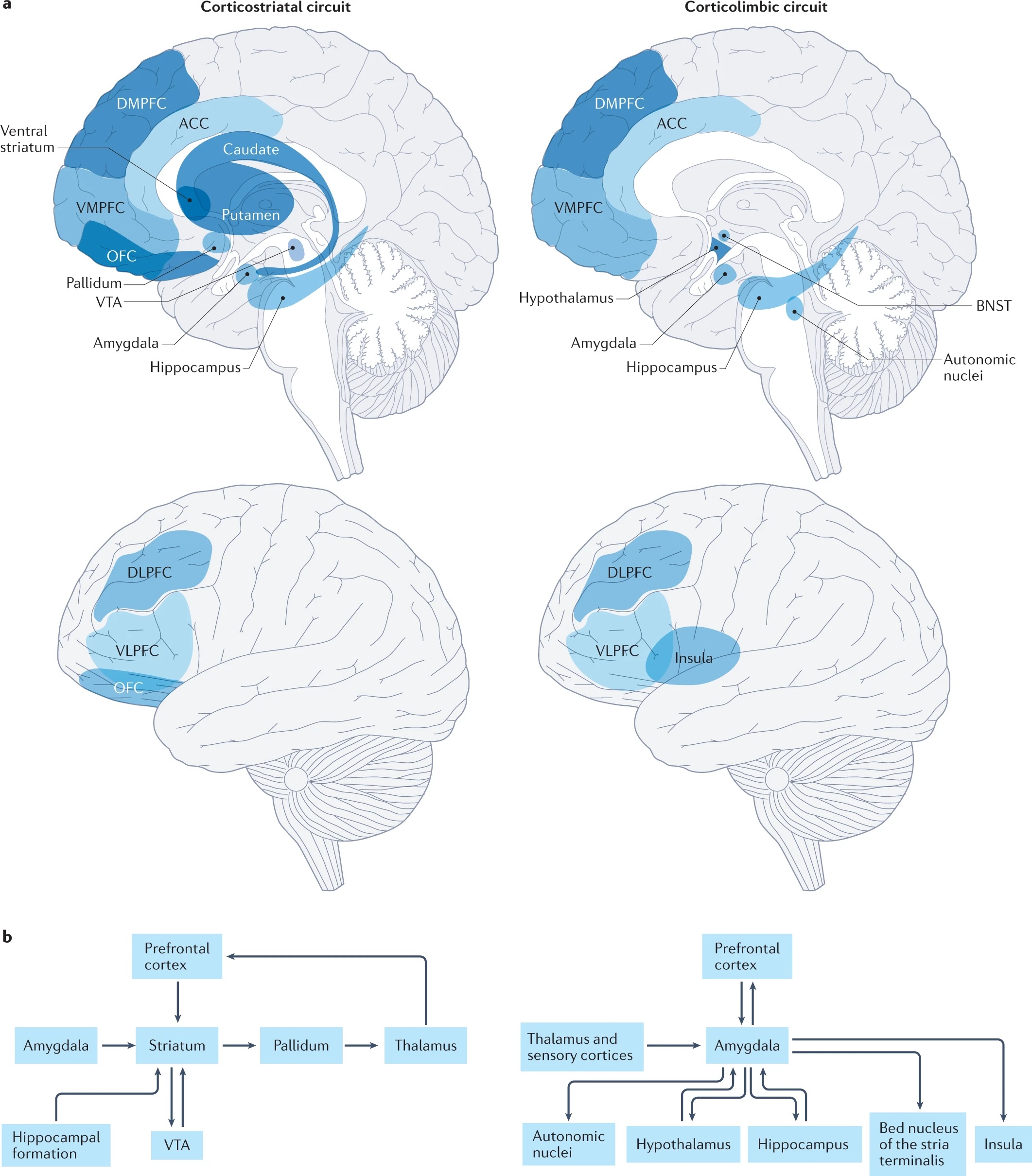
Bogdan et al. (2022)

Volkow, Director of NIDA, 2025

https://www.youtube.com/watch?v=t6xKBirUVNg

What drugs are doing is basically hijacking the main motivational drive circuit that we have in our brains…

Hijack hypothesis: summary

  • Evolutionarily novel:
    • substances (e.g., nicotine, cocaine)
    • routes of administration (e.g., smoking, injection)
    • concentrations (e.g., powdered cocaine)
  • Diverse evolutionarily novel substances with diverse neurobiological effects globally and bluntly interfere with complex neurotransmitter signaling circuits to reinforce their consumption
  • Substances should hijack dopamine reward-related circuitry in all organisms that have it, including humans of all ages and both sexes
  • No evolutionary fitness benefits to substance use

A critique, not of the neurobiology of drug use, but of its evolutionary cover story, based on two ancient evolutionary arms races:

  • plants vs. animals
  • pathogens vs. hosts

Plants vs. animals

  • Autotrophs (e.g., plants): Obtain energy from inorganic sources, e.g., geothermal vents or sunlight

  • Heterotrophs (e.g., animals): Obtain energy by eating autotrophs (directly or indirectly)

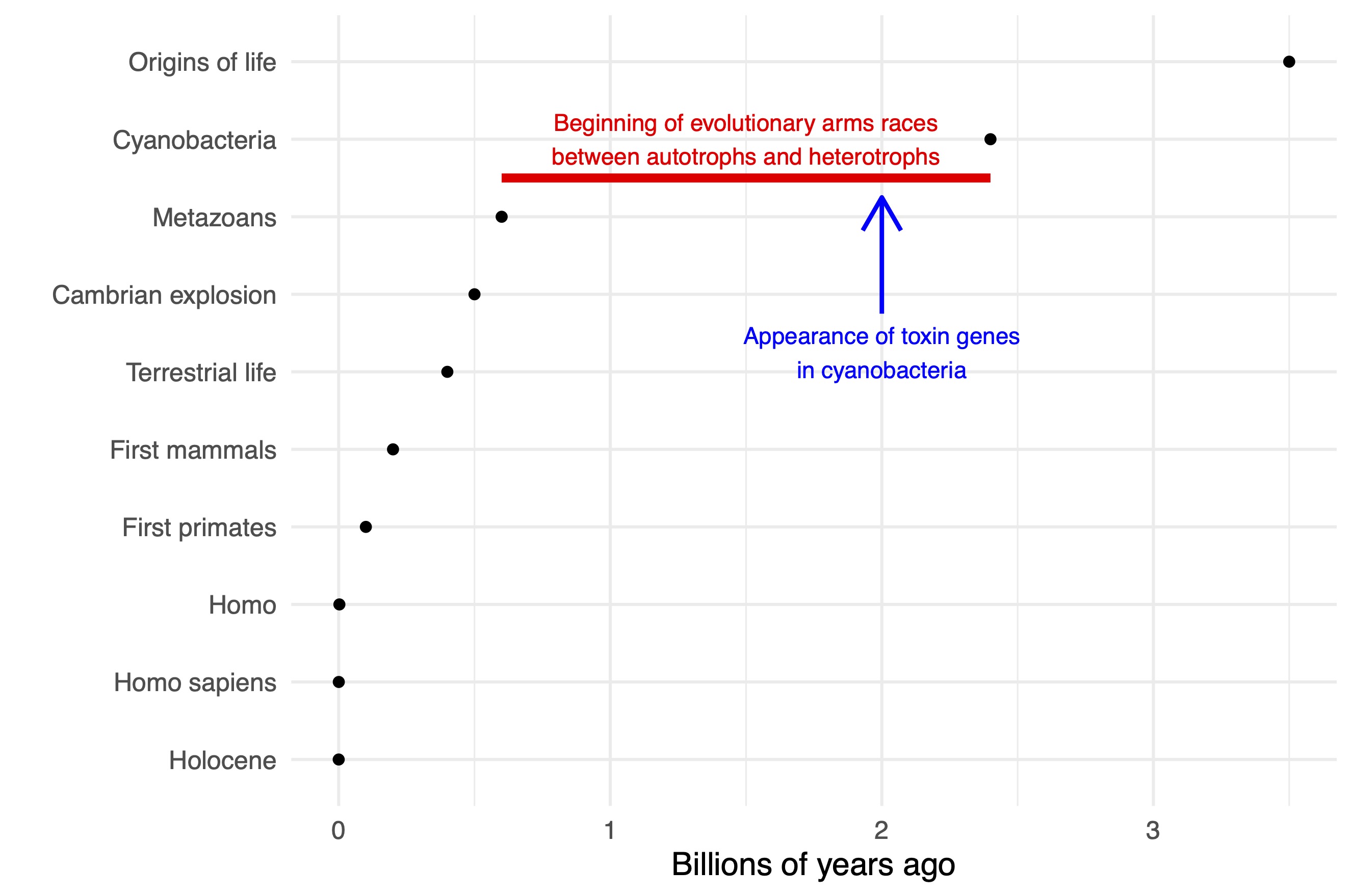
  • Arms race!

Autotroph toxin defenses

Our hypothesis

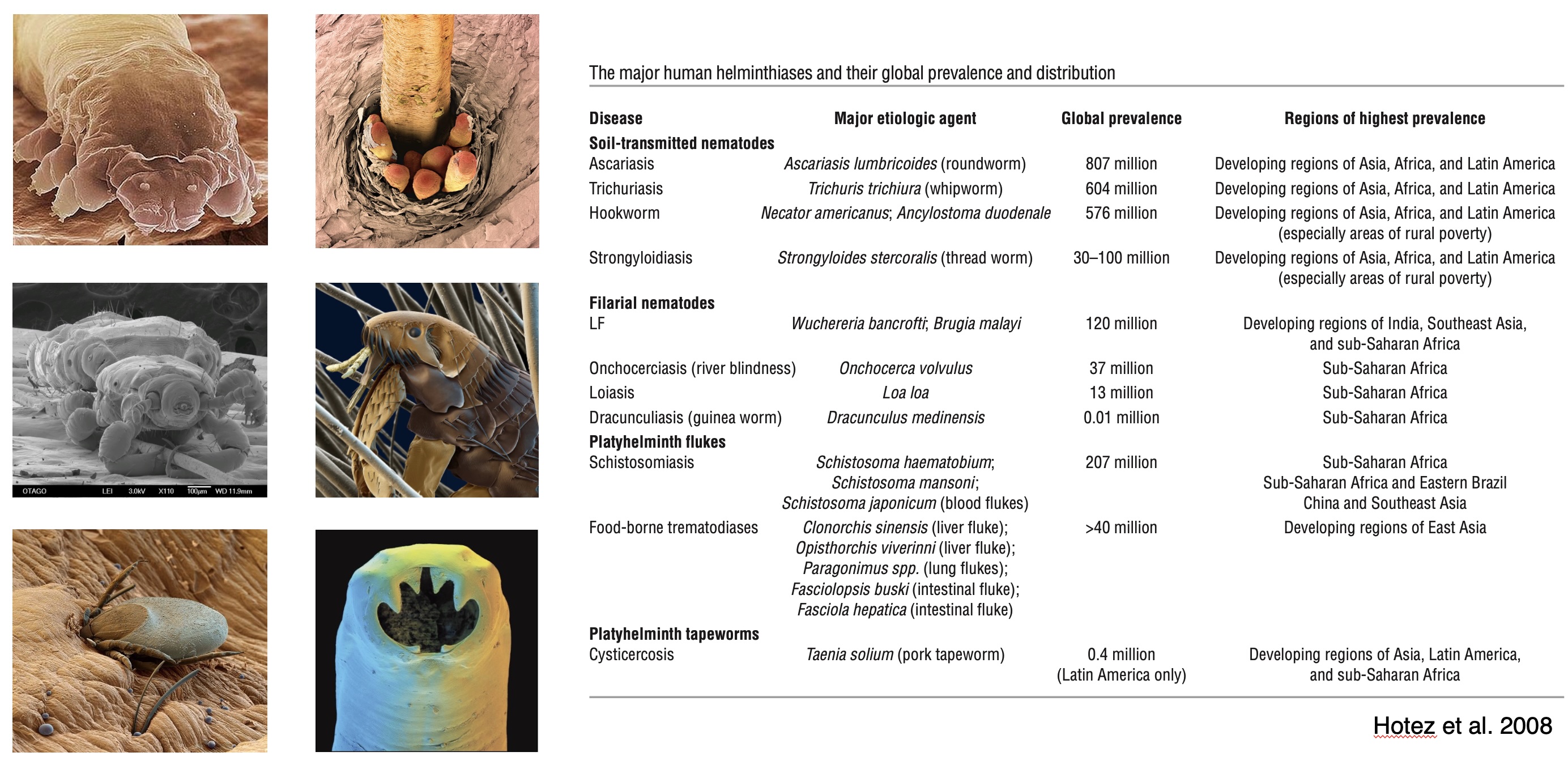
Intensifying zoonotic pathogen pressure in Pleistocene Homo selected for increased pharmacological plant use

Evolution of the human diet

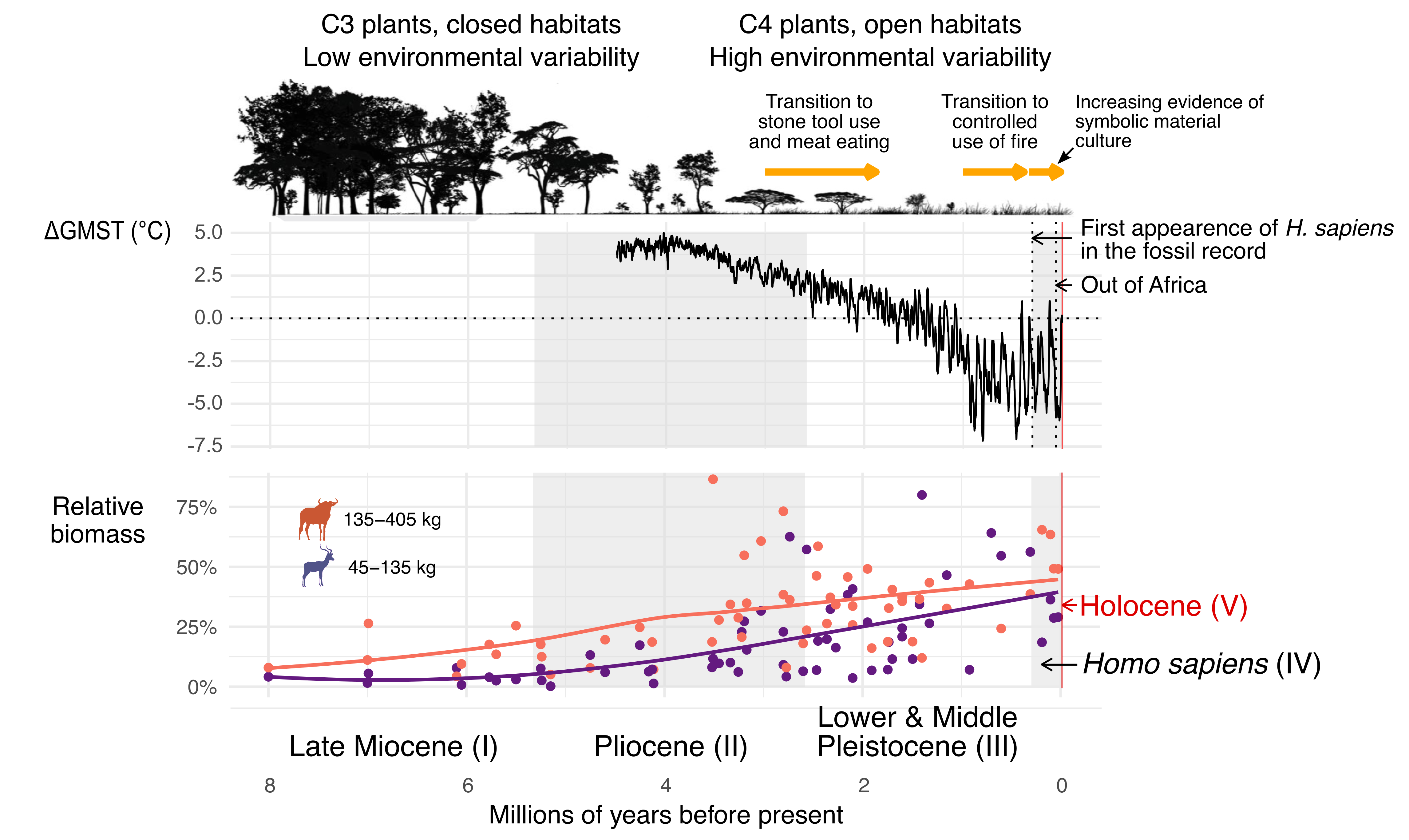
Hominin Plio-Pleistocene ecology

Miocene diet
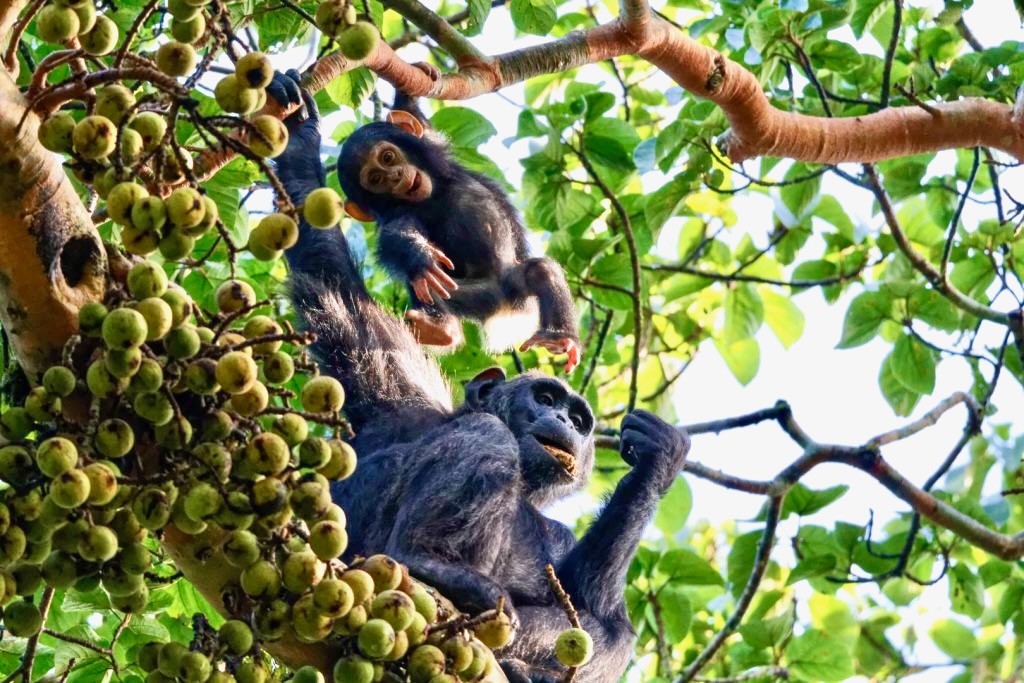
Hominin Plio-Pleistocene ecology

The transition to carnivory
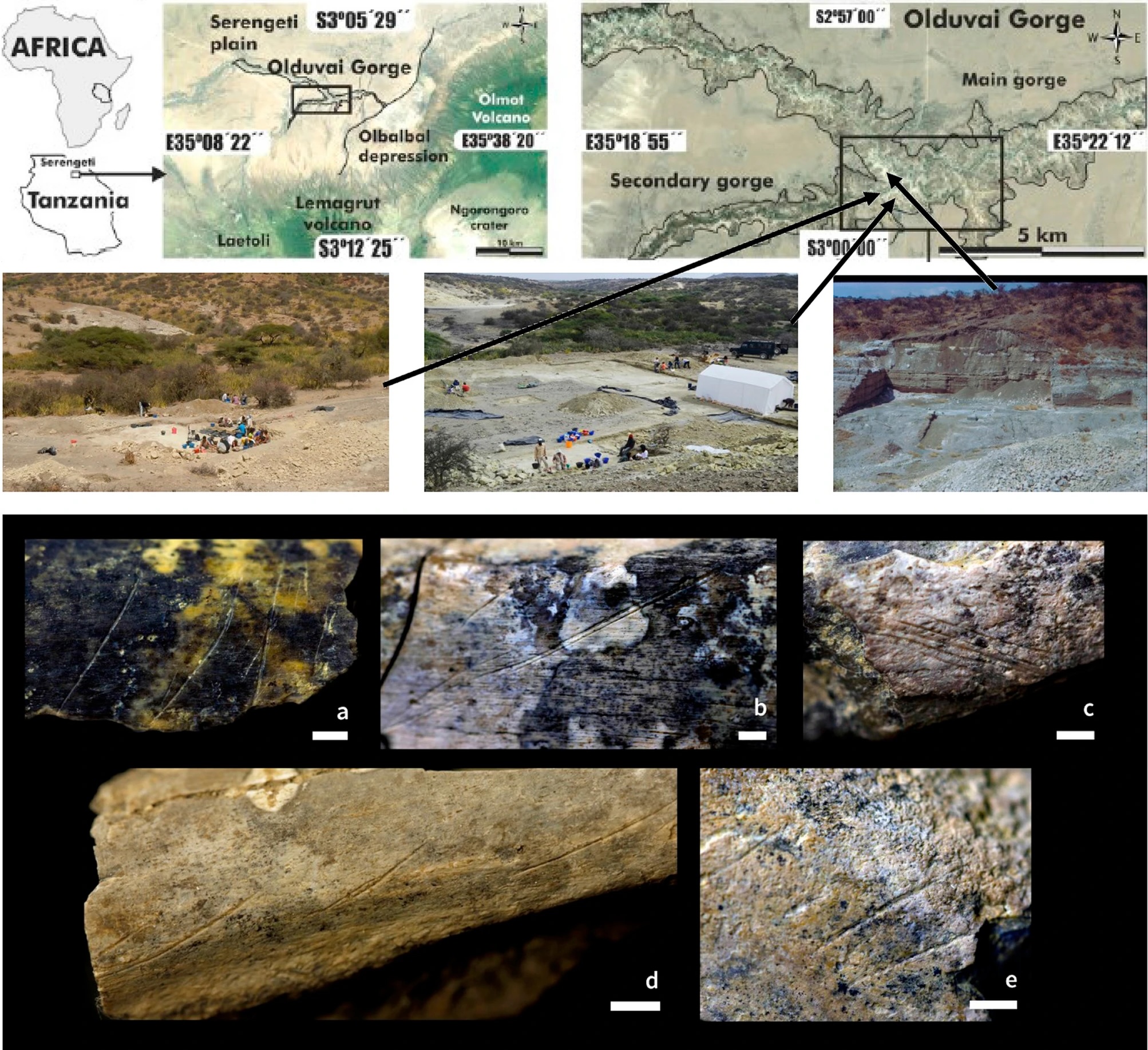
The transition to carnivory

Domı́nguez-Rodrigo et al. (2021)

Dramatic dietary shift
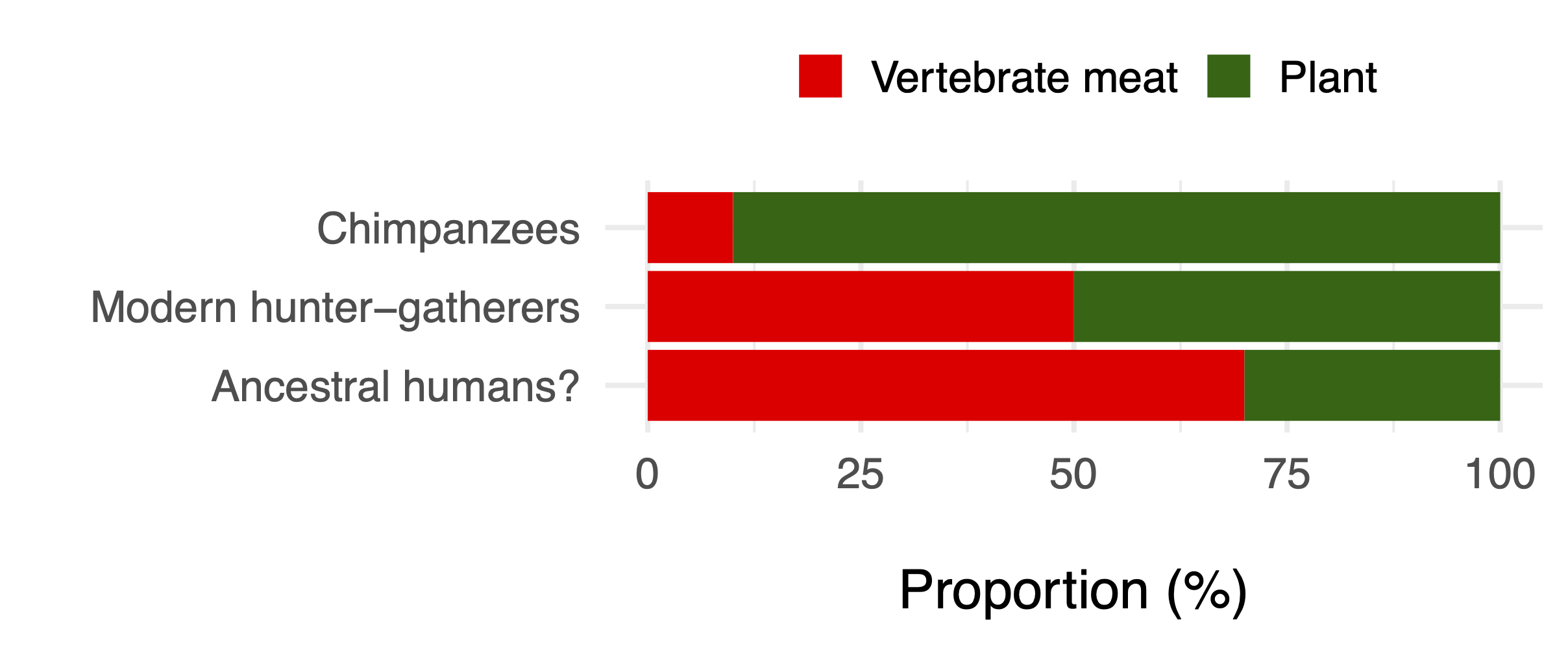
Increased zoonotic pathogen pressure

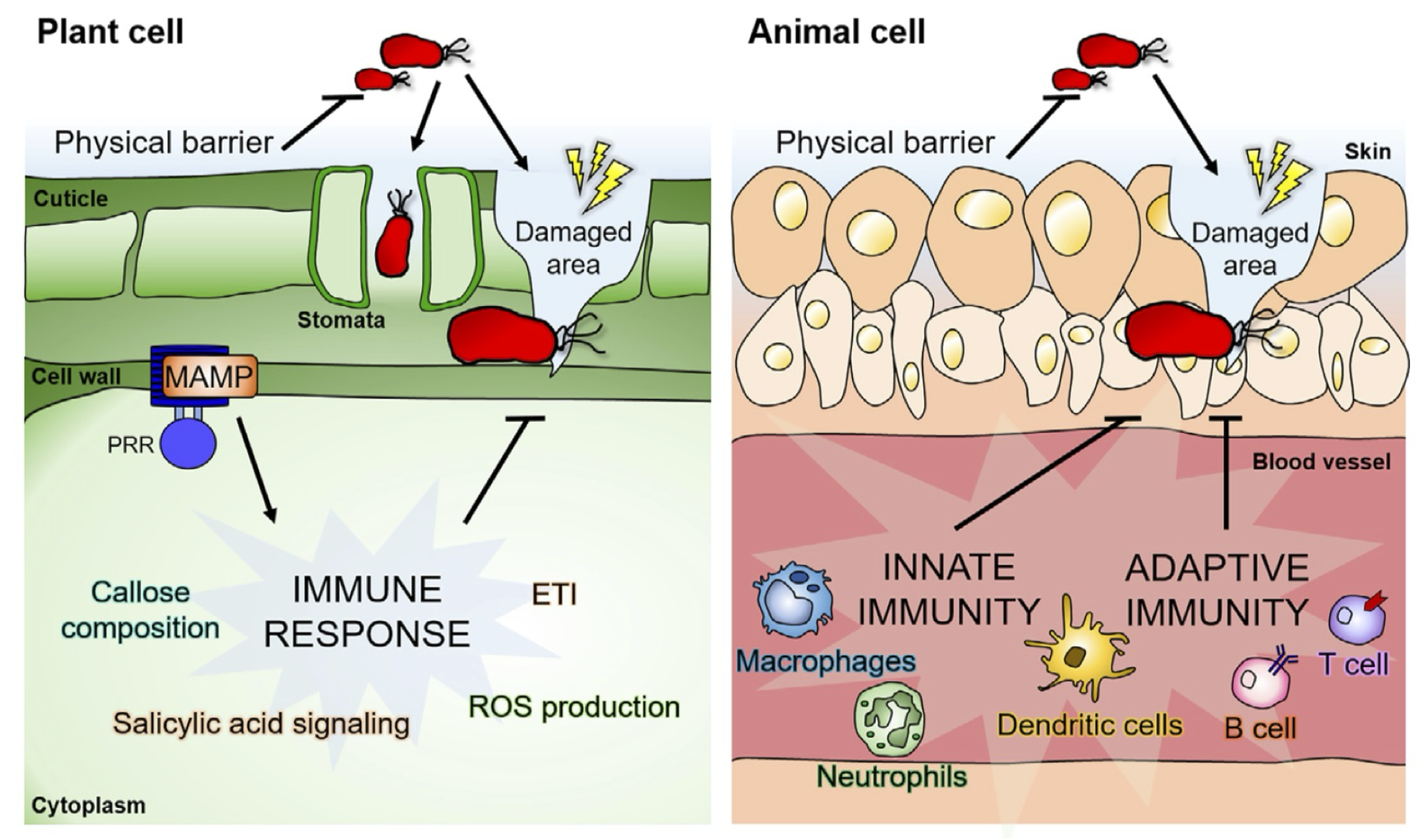
Plant vs. animal pathogens

Kim et al. (2020)

Bushmeat spillover risk

  • Ebola, HIV, and monkeypox, SARS-CoV-1, and possibly SARS-CoV-2 (Kurpiers et al., 2016; Peros et al., 2021).

  • Systematic review: 133 reports of disease involving 60 pathogens in 58 bushmeat species, mostly mammals (95%), with some reptiles (4%) and birds (1%).

  • The most common zoonotic pathogens were helminths (37%) and bacteria (33%), followed by viruses and protozoa (15% each) (Peros et al., 2021).

Hunting spillover risk

  • Congo Basin foragers (pygmies) are at higher risk of zoonotic spillover than neighboring farmers
  • Simian foamy virus (SFV)
  • Human T-lymphotropic virus type 1 (HTLV-1)
  • Monkeypox
  • Ebola (highest prevalence of antibodies ever reported: 18.7% vs. 2-3.5%)
  • Severe bites from a non-human primate are major risk factor for infection

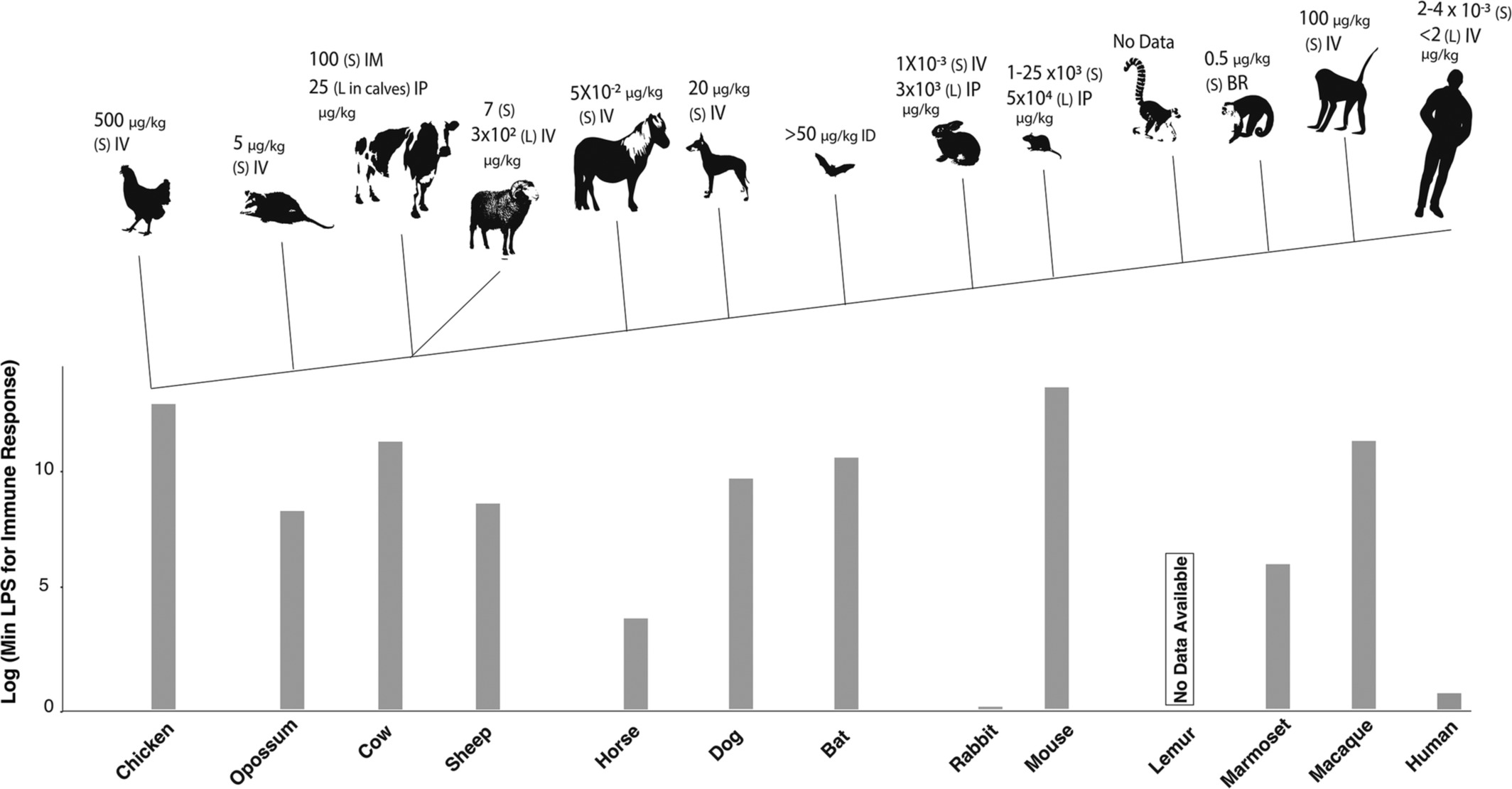
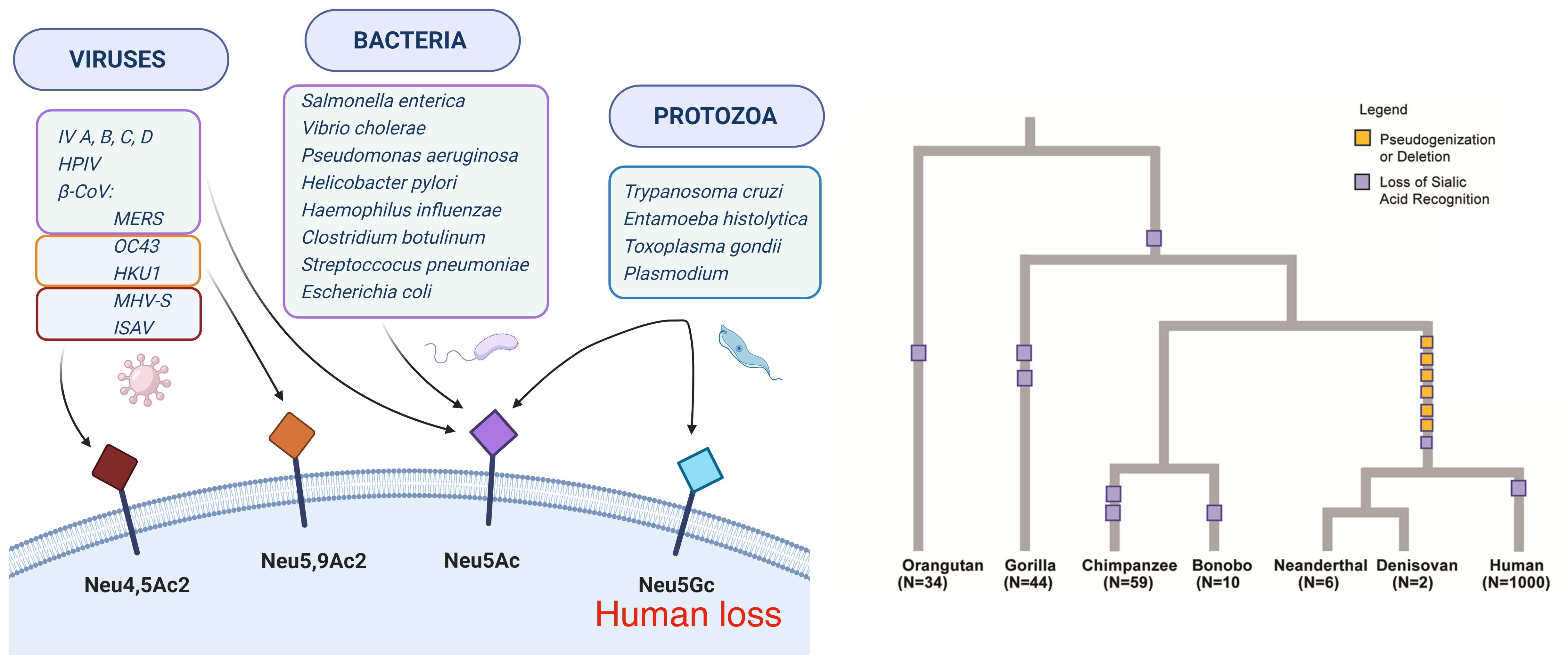
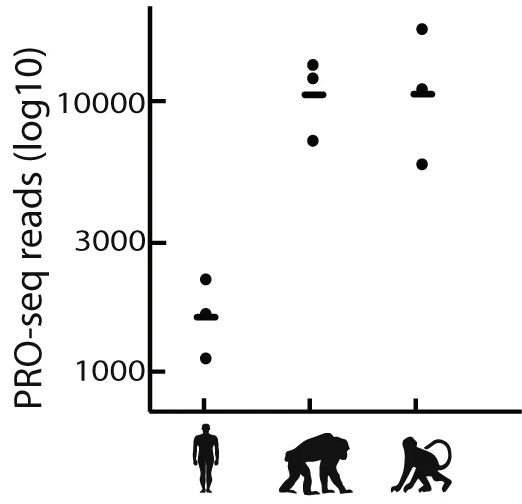
Immune system divergence

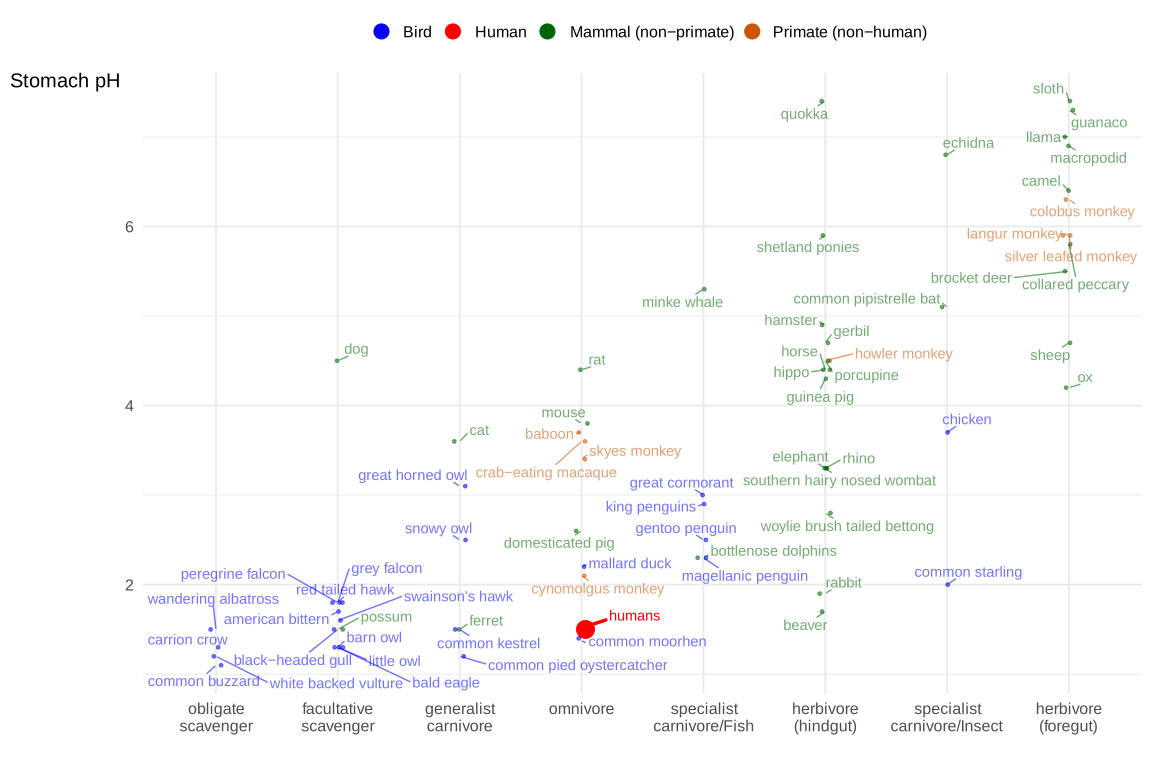
Humans have very acidic stomachs

Humans are very sensitive to LPS (Brinkworth and Valizadegan 2021)
CMAH loss of function (Khan et al. 2020)
Human-specific downregulation of anthrax receptor protein (ANTXR2) (Choate et al. 2021)
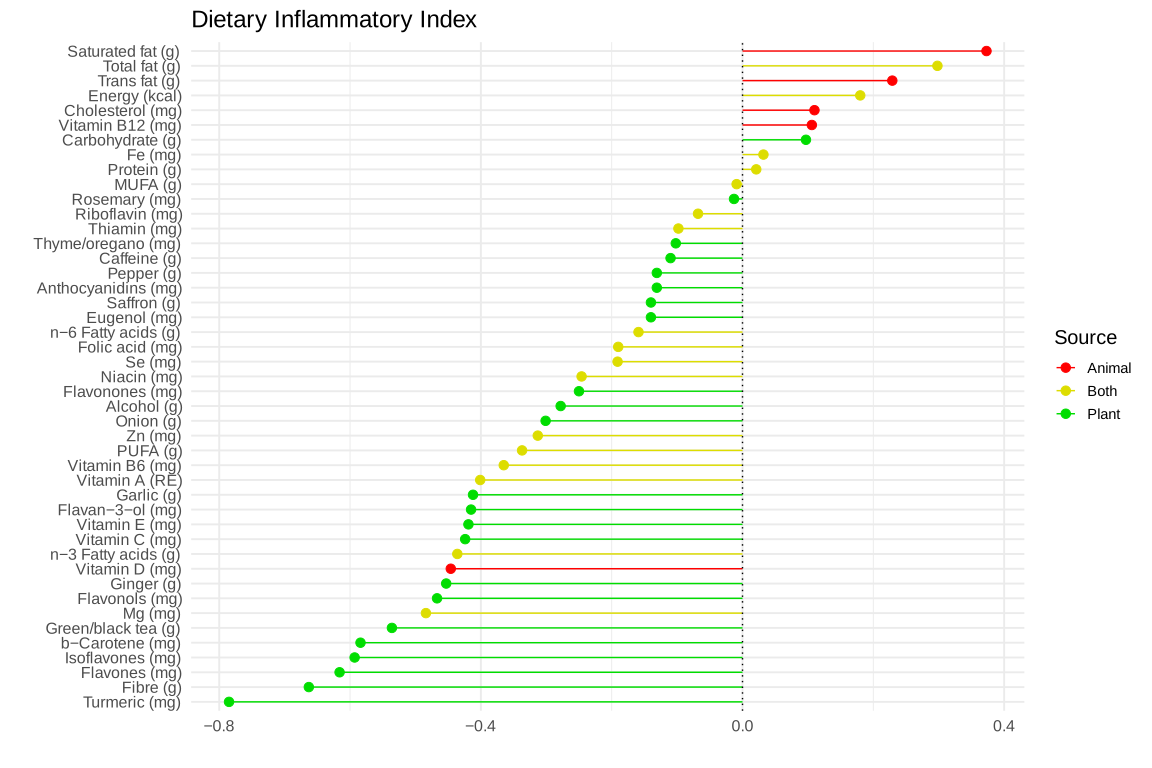
Inflammation of animal vs. plant foods (Shivappa et al. 2014)
Substance use

Local flora as a “pharmacy”

Local flora as a “pharmacy”

  • Plants are attacked by the same broad classes of parasites and pathogens as animals.
  • Plants are attacked by insect and vertebrate herbivores – organisms with nervous systems.
  • Plants have evolved \(10^5 - 10^6\) unique chemical structures, with about 5,000-15,000 per species, most of which play a role in plant defense or pollinator signaling (Medema, Rond, and Moore 2021).
  • Many plant defensive chemicals are neurotoxins.

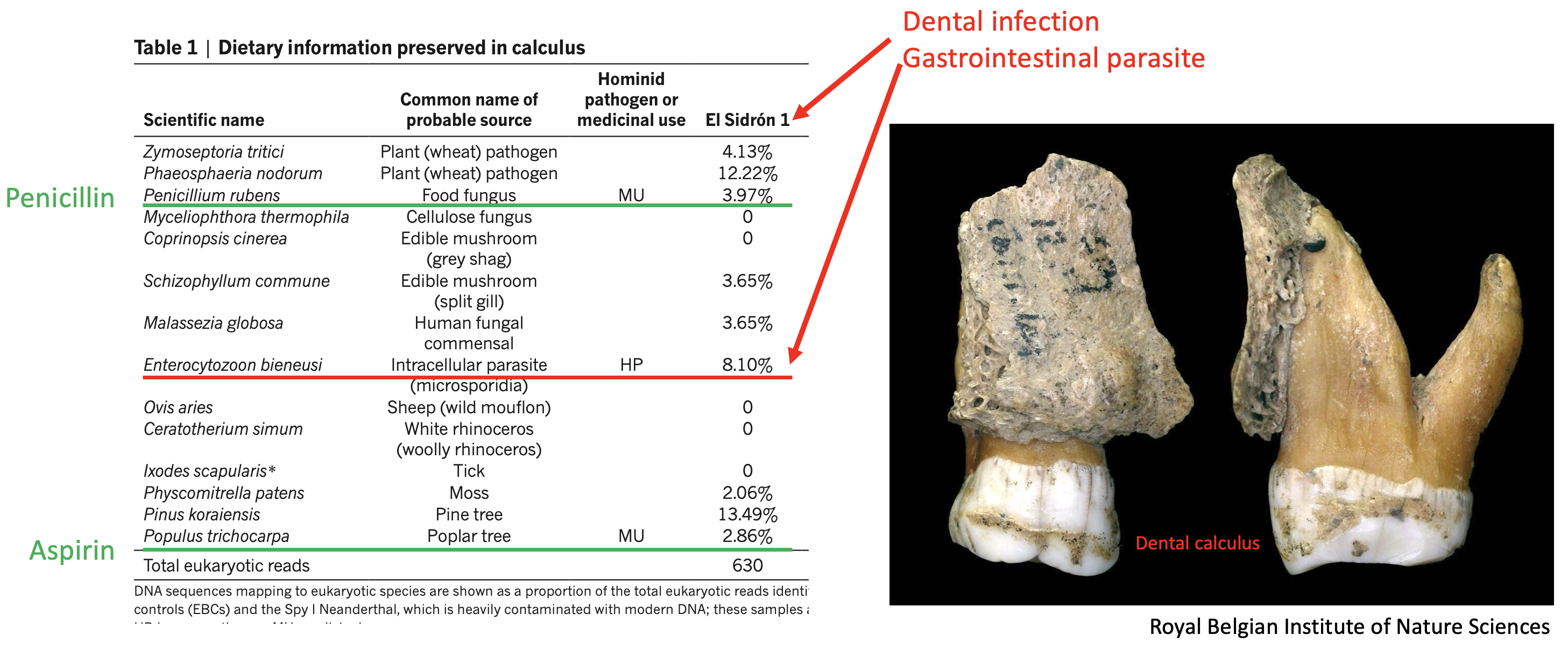
Neanderthal medication? (Weyrich et al. 2017)

There are reports of self-medication in 71 species from 7 mammalian orders, with the most reports in Primates (46 species), Carnivores (10 species), and Rodents (5 species) (Neco et al. 2019).
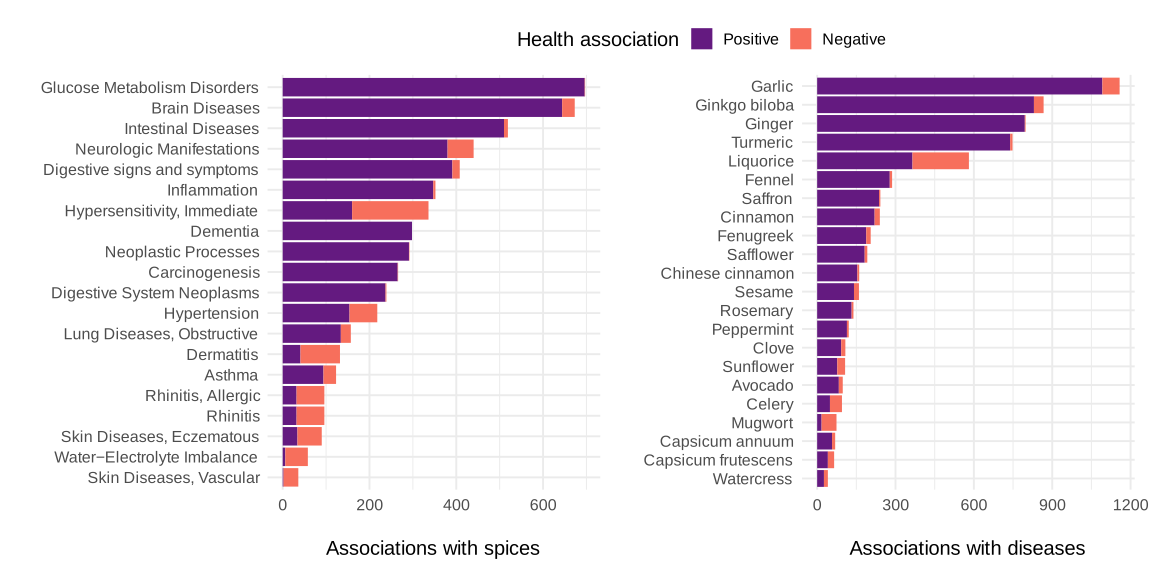
Spices and health outcomes (Rakhi et al. 2018)
Parasites with nervous systems are major health threats
Tobacco use in Pleistocene North America (Duke et al. 2022)
Tobacco shamans

Brazilian Tupinamba curing by blowing tobacco smoke. Andre Thevet, La Cosmographie Universelle, 1575

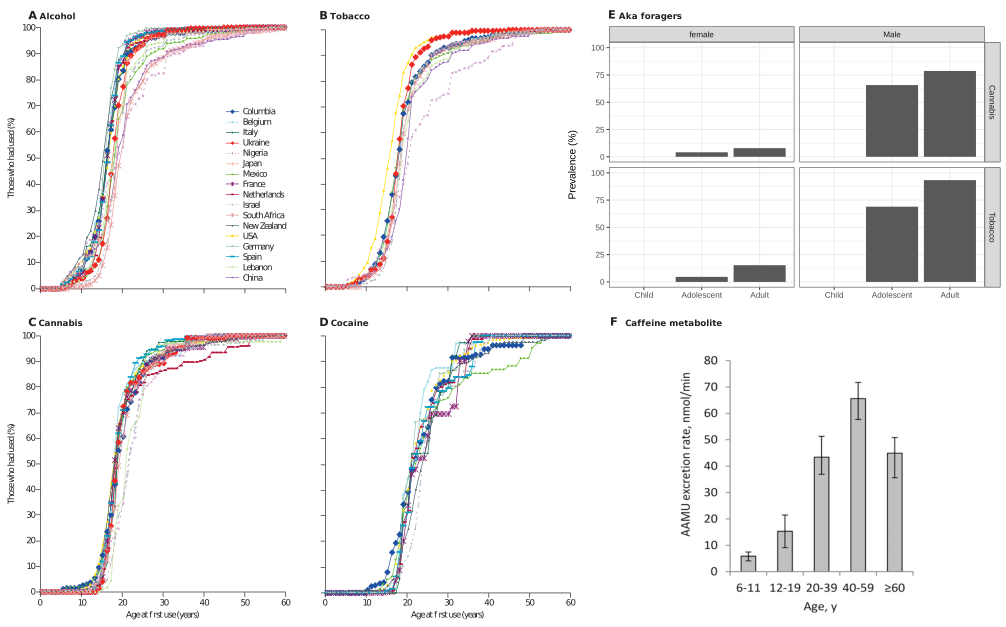
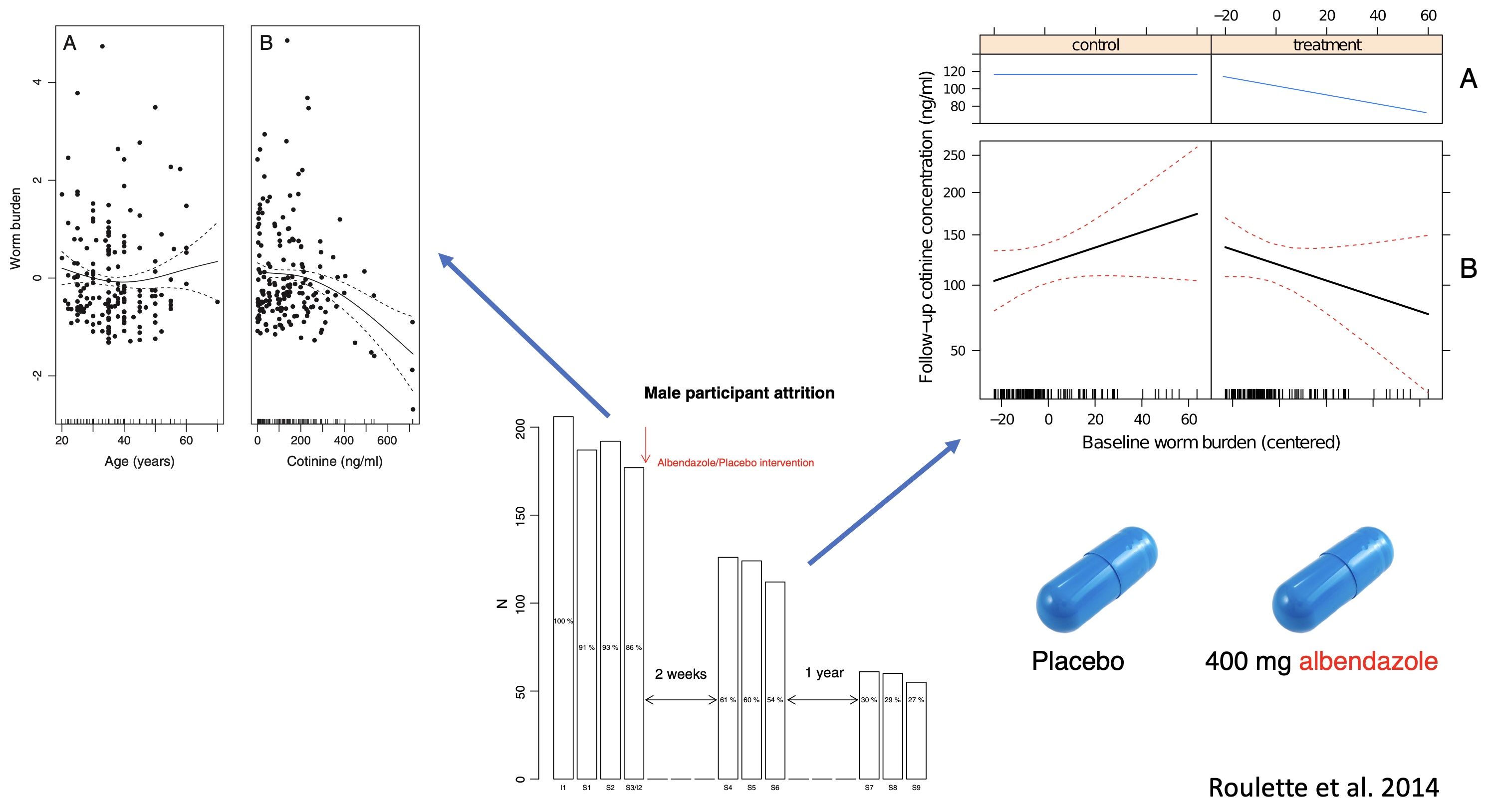
Helminths vs. tobacco use in Aka foragers (Roulette et al. 2014)
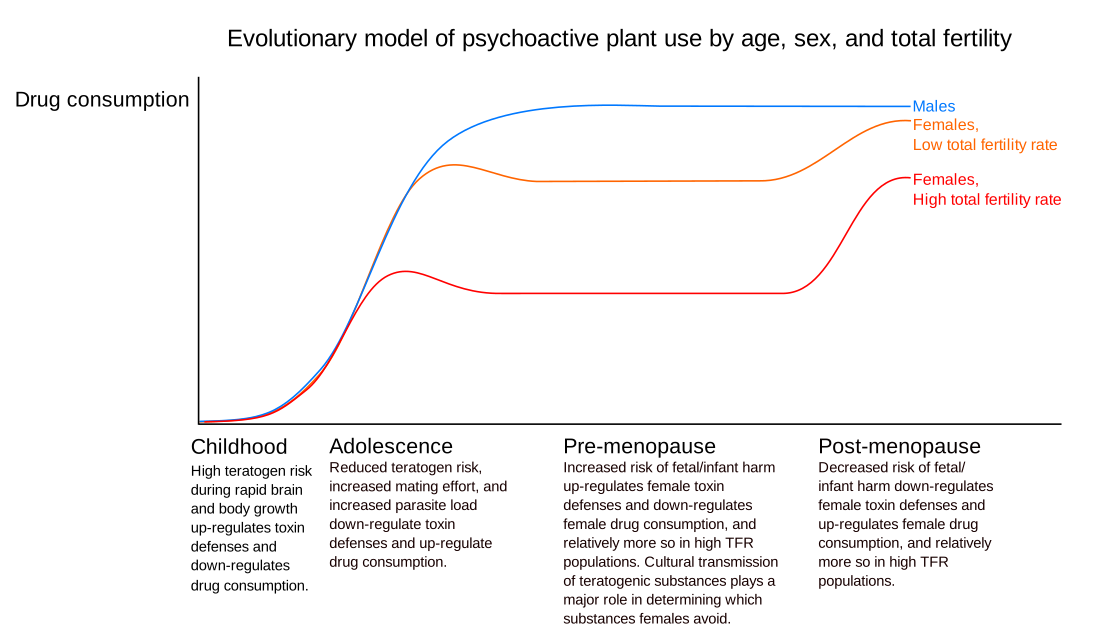
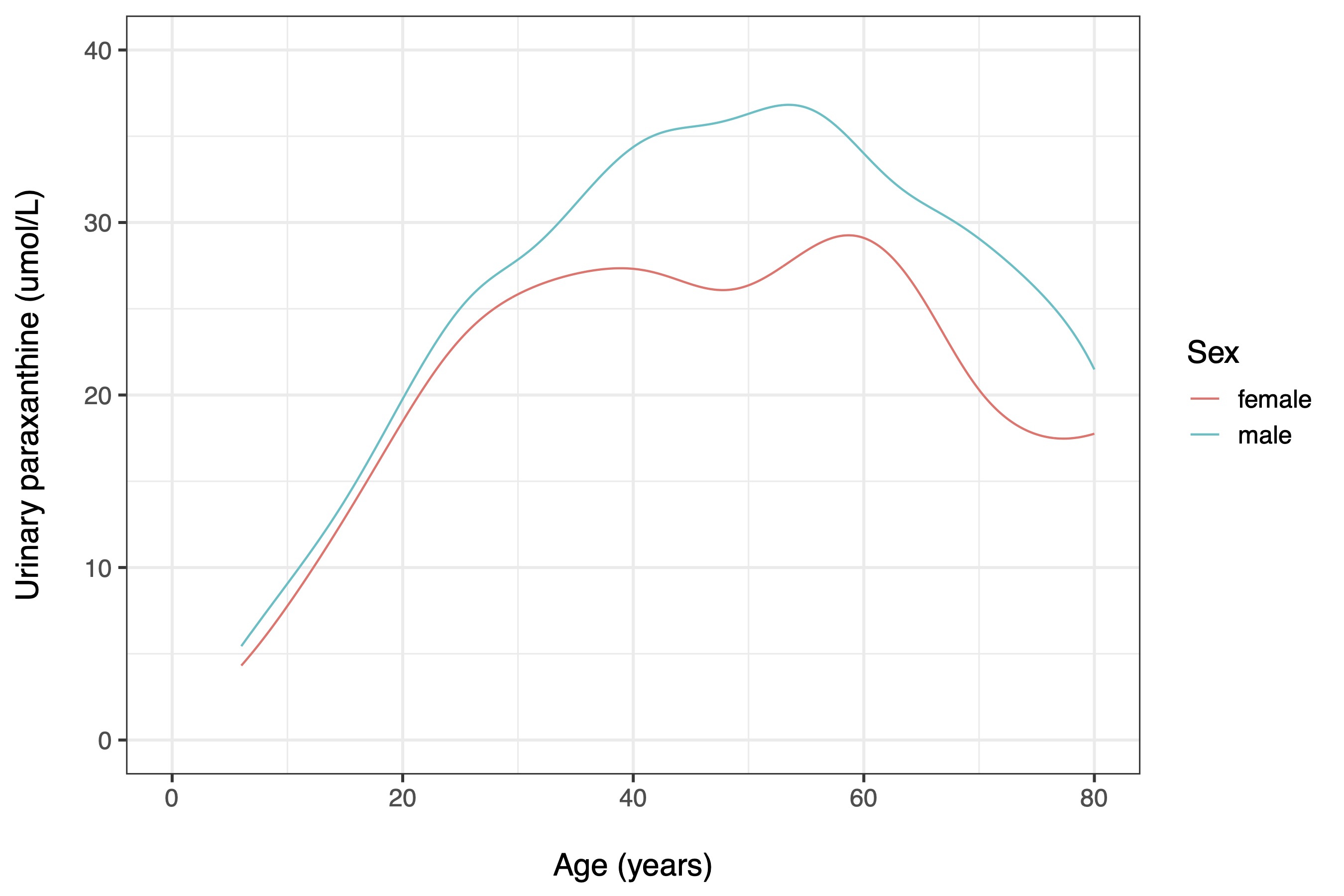
Impact of drug toxicity on use by age and sex

Theoretical model

Age of first use

Caffeine in a representative US sample (N = 2714)
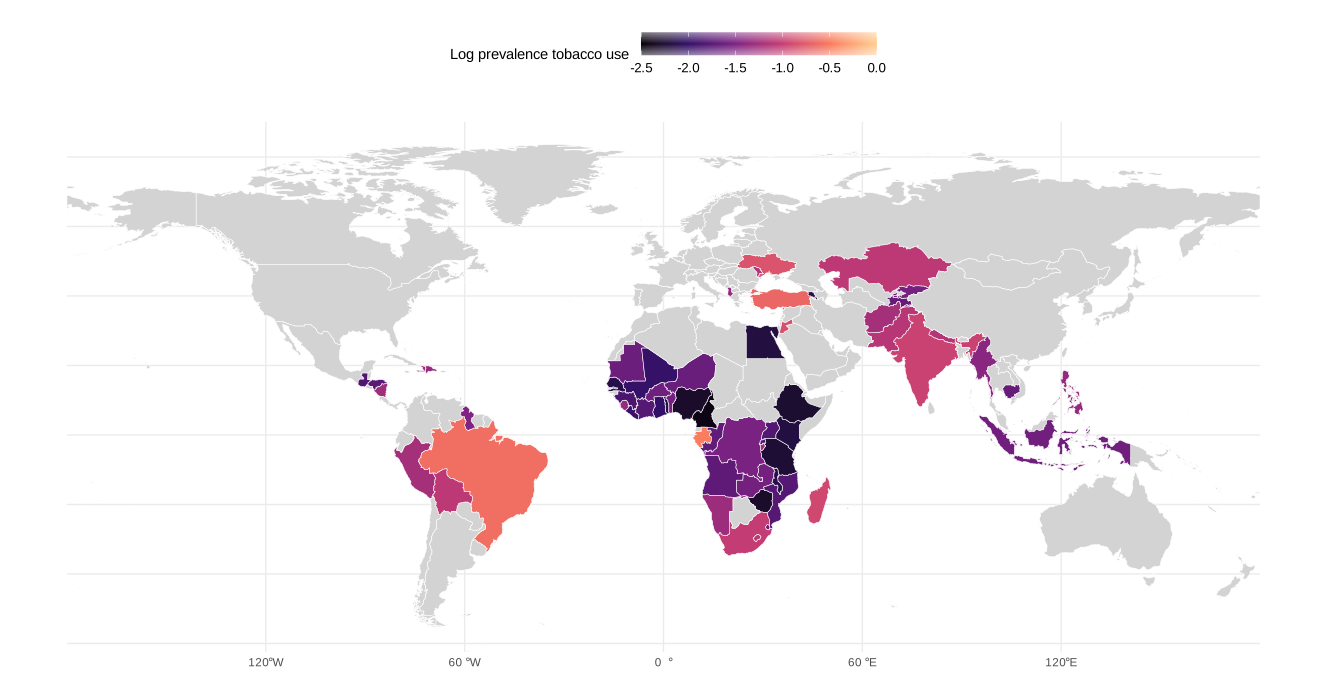
Female tobacco use by age in 66 low- and middle-income countries (N = 2.6M)
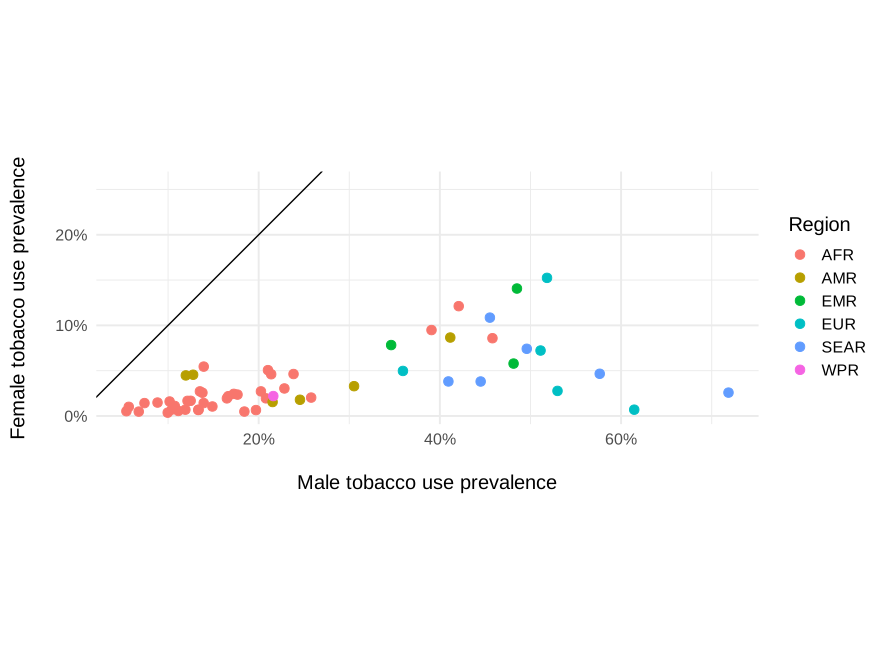
Female vs. male tobacco use prevalence
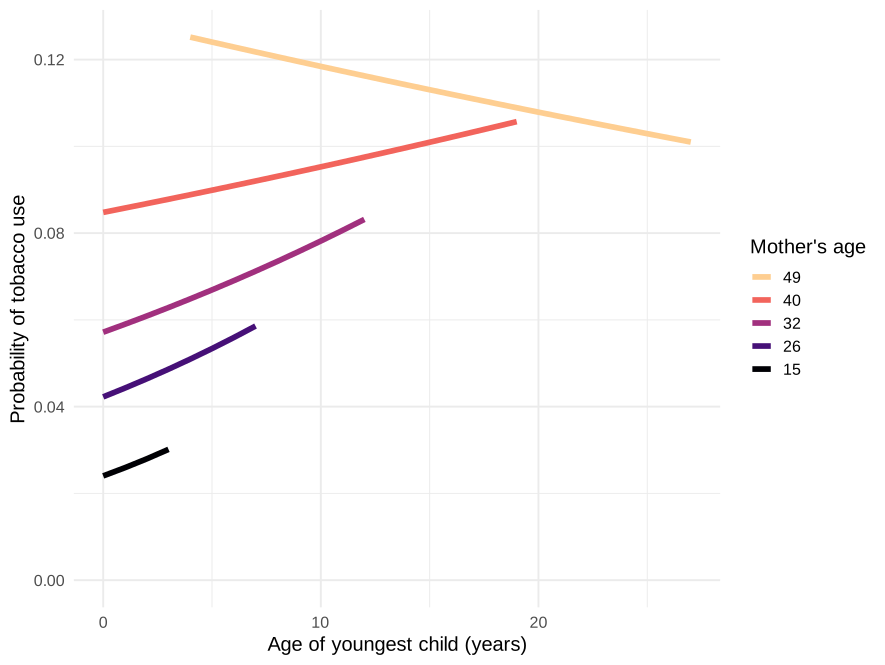
Tobacco use by reproductive variables in 67 low- and middle-income countries (N = 3.7M)

  • Marriage: Women aOR = 0.76 (0.7, 0.84); Men aOR = 1.2 (1.1, 1.3)
  • Pregnancy: aOR = 0.84 (0.76, 0.93)
  • Breastfeeding: aOR = 0.88 (0.80, 0.97)

Female tobacco use by age of youngest child
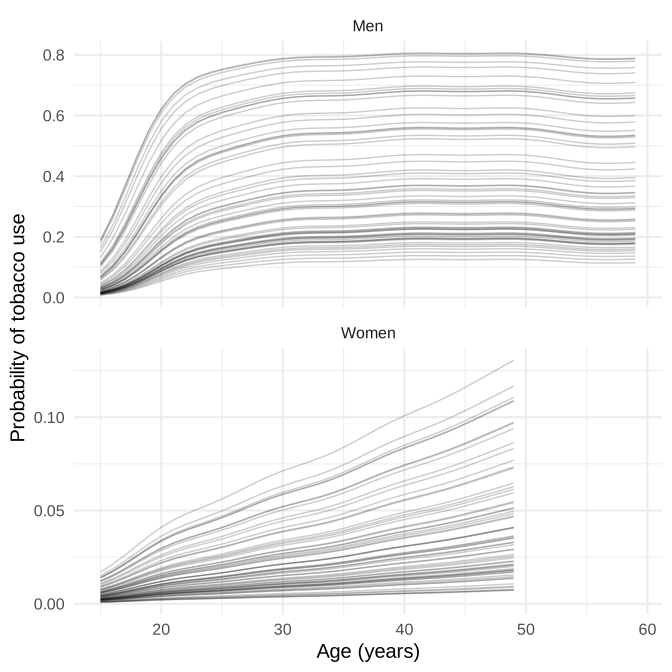
Tobacco use by age in 67 low- and middle-income countries (N = 3.7M)
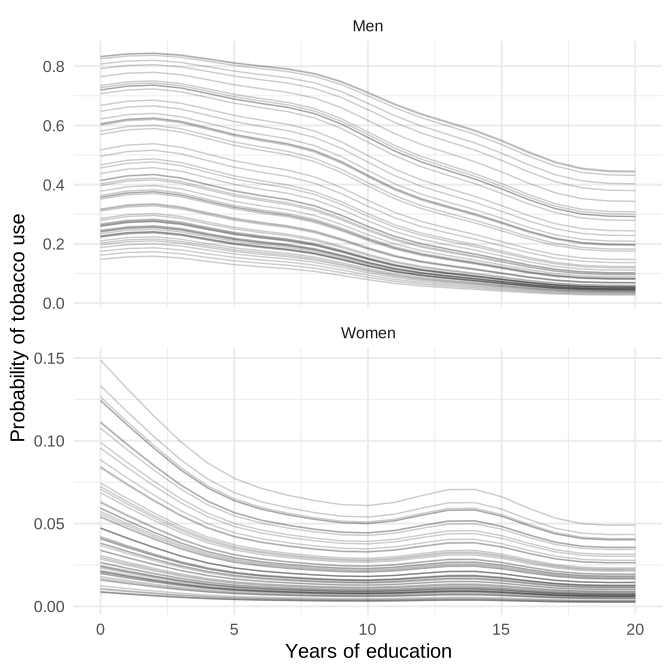
Cultural transmission: Tobacco use by years of education (N = 3.7M)
Concluding remarks

  • The human niche involved fewer anti-infective plant foods and more infective animal foods
  • The human immune system appears to have diverged from those of ape relatives c. 2-3 Mya
  • There is evidence of use of tobacco and other pharmacological plants in the Pleistocene
  • Spices and common recreational plant drugs provide medicinal benefits, perhaps explaining why we like them (or want them).
  • Medical expertise played a role in human cognitive evolution
  • Drug toxicity shapes global patterns of use by age, sex, and reproductive status

Hagen, Blackwell, Lightner, & Sullivan (2023) Homo medicus: The transition to meat eating increased pathogen pressure and the use of pharmacological plants in Homo

Rabies as a model zoonotic disease

  • Seven lyssaviruses infect humans
  • Transmission: bites from infected bats and carnivores
  • Infects the nervous system
  • 100% lethal (without immediate treatment)
  • 13K–59K annual deaths globally (mainly from rabid dogs)
  • No human-to-human transmission

Most animal RNA viruses enter human cells
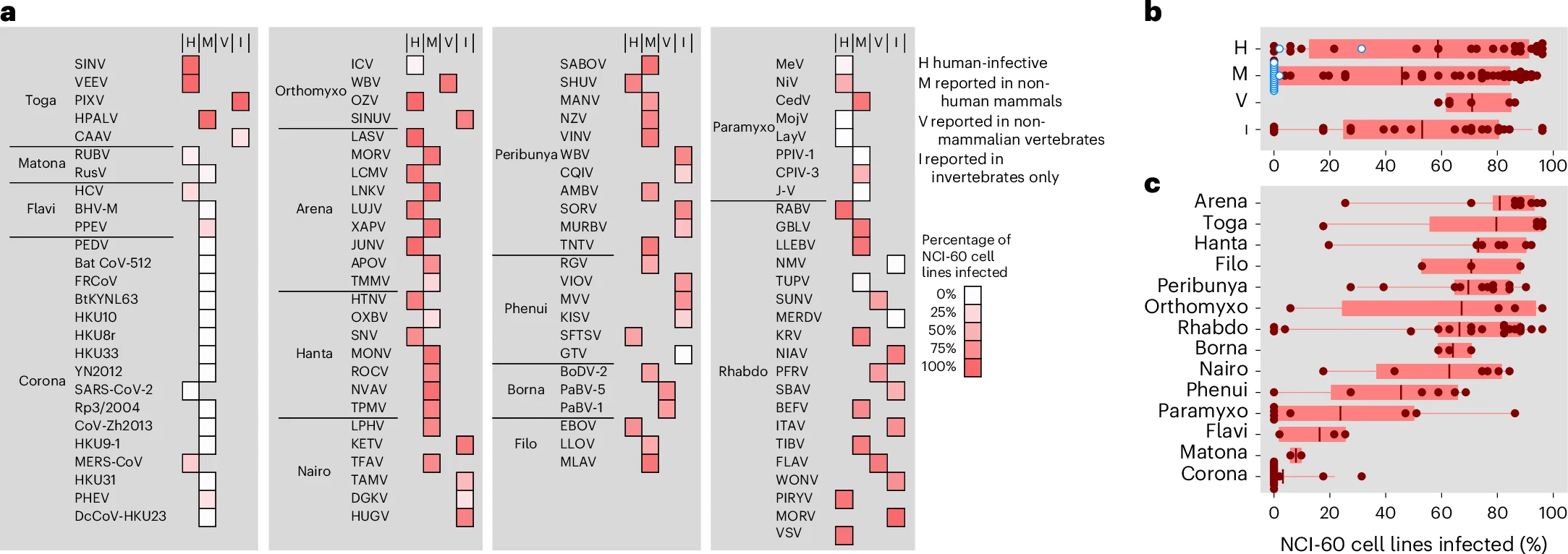
Dufloo et al. (2025)

Wild mammalian zoonotic reservoirs (Han, Kramer, and Drake 2016a)
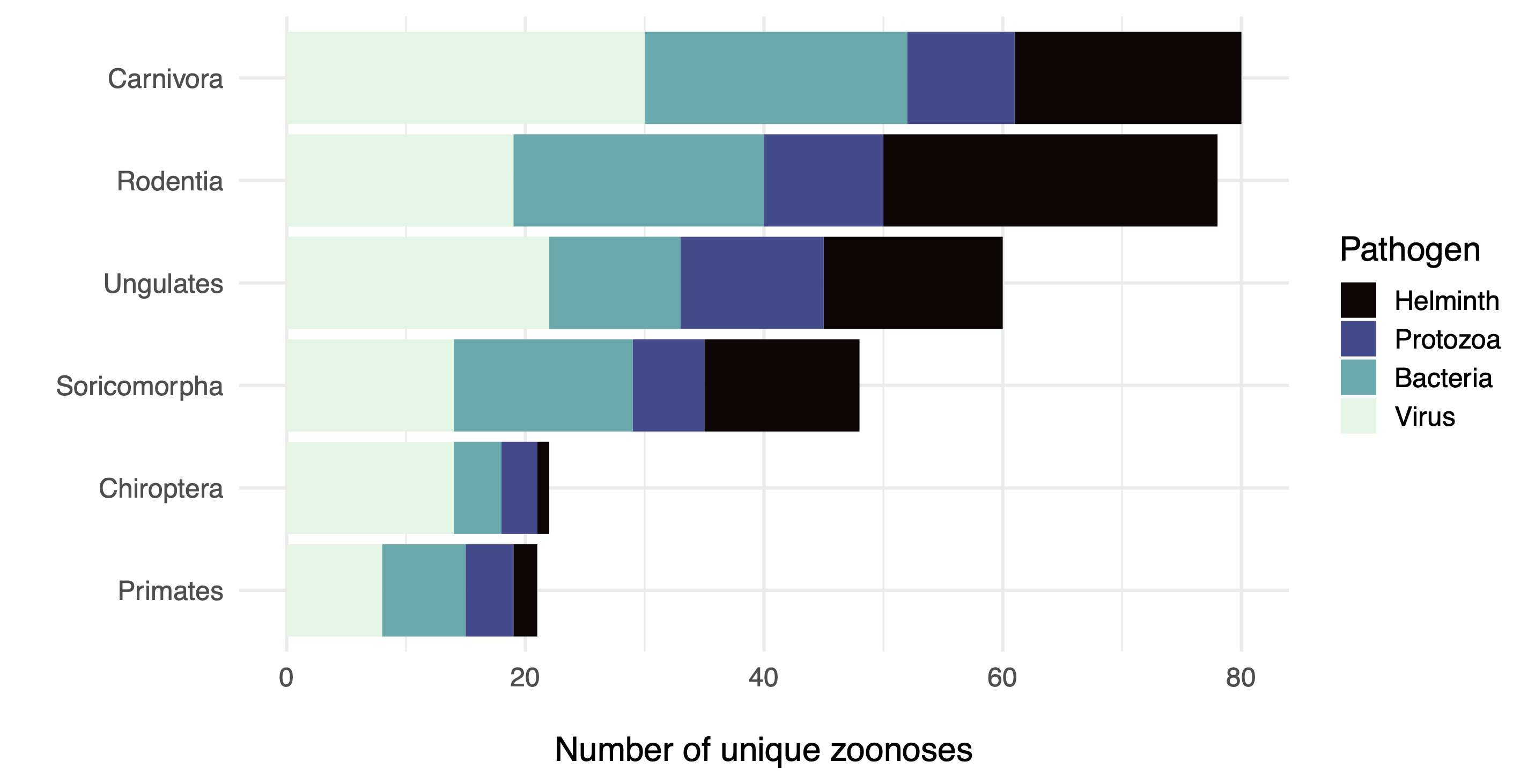
Han, Kramer, and Drake (2016b)

RNA virus tissue tropism and transmission
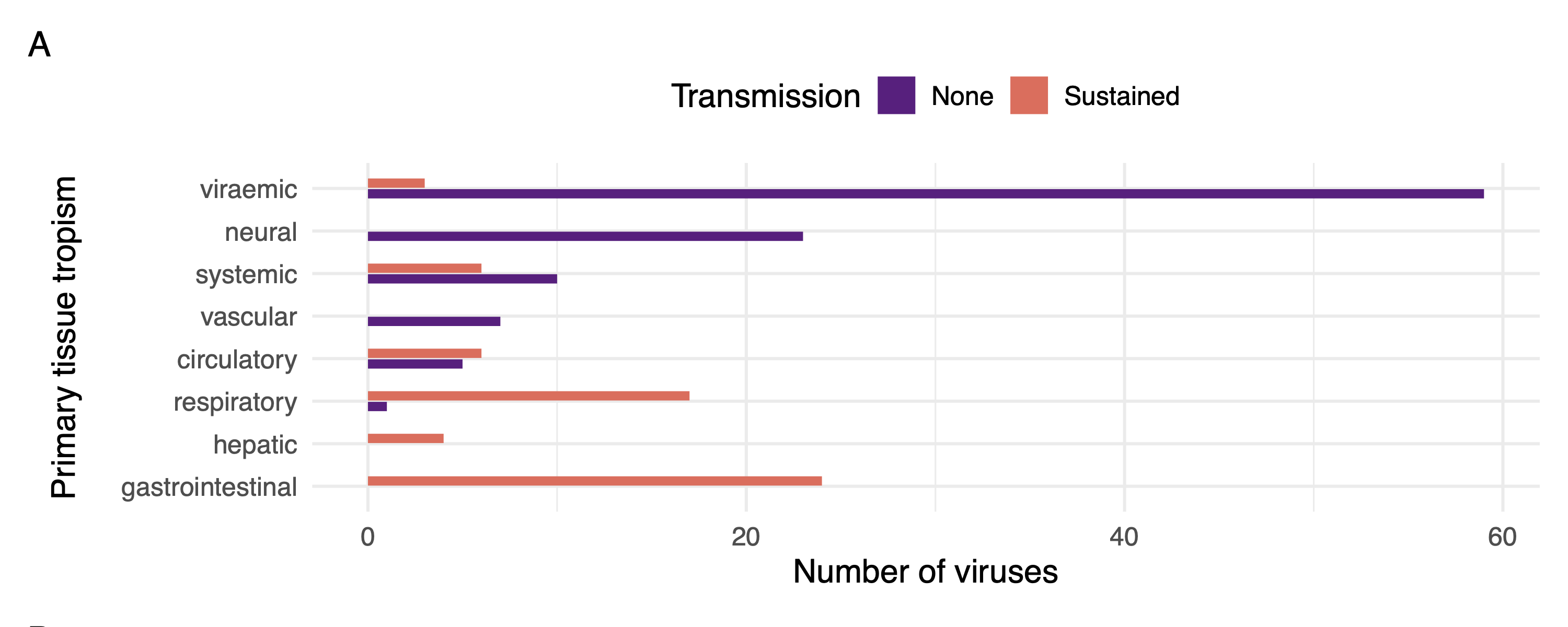
Brierley, Pedersen, and Woolhouse (2019)

RNA virus virulence

Leaves: correct classifications.
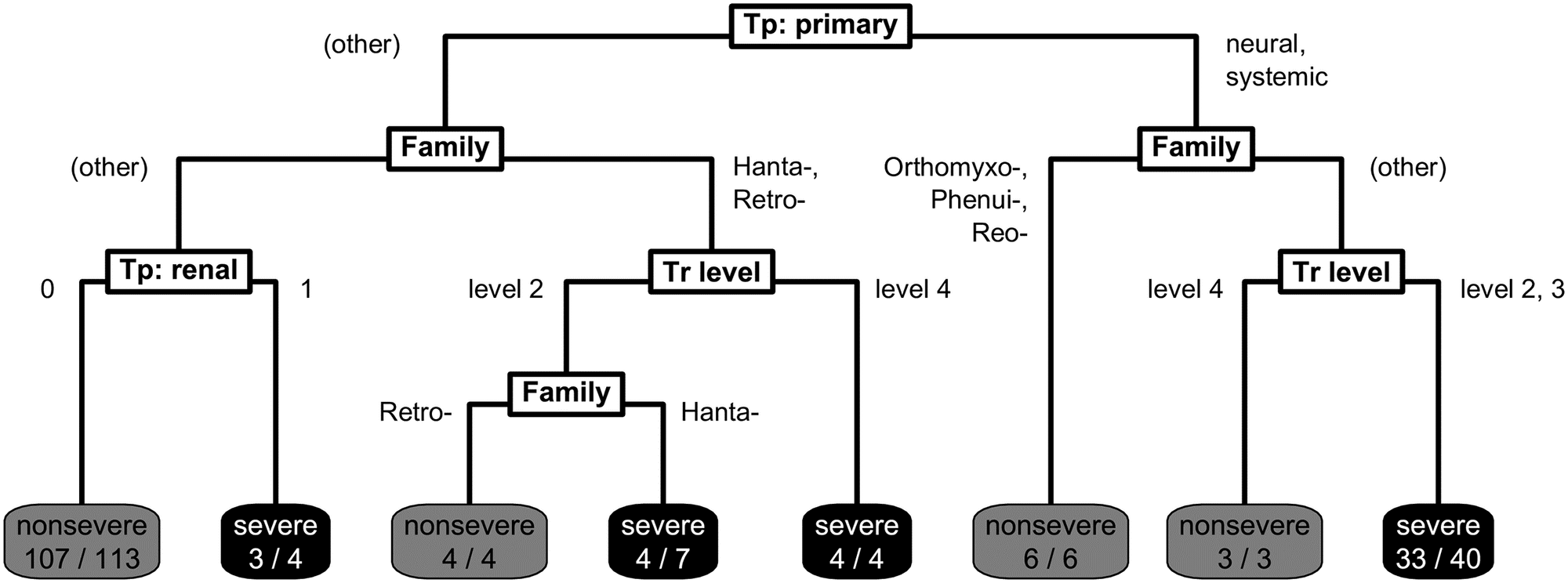
Brierley, Pedersen, and Woolhouse (2019)

Zoonotic virus case fatality rates
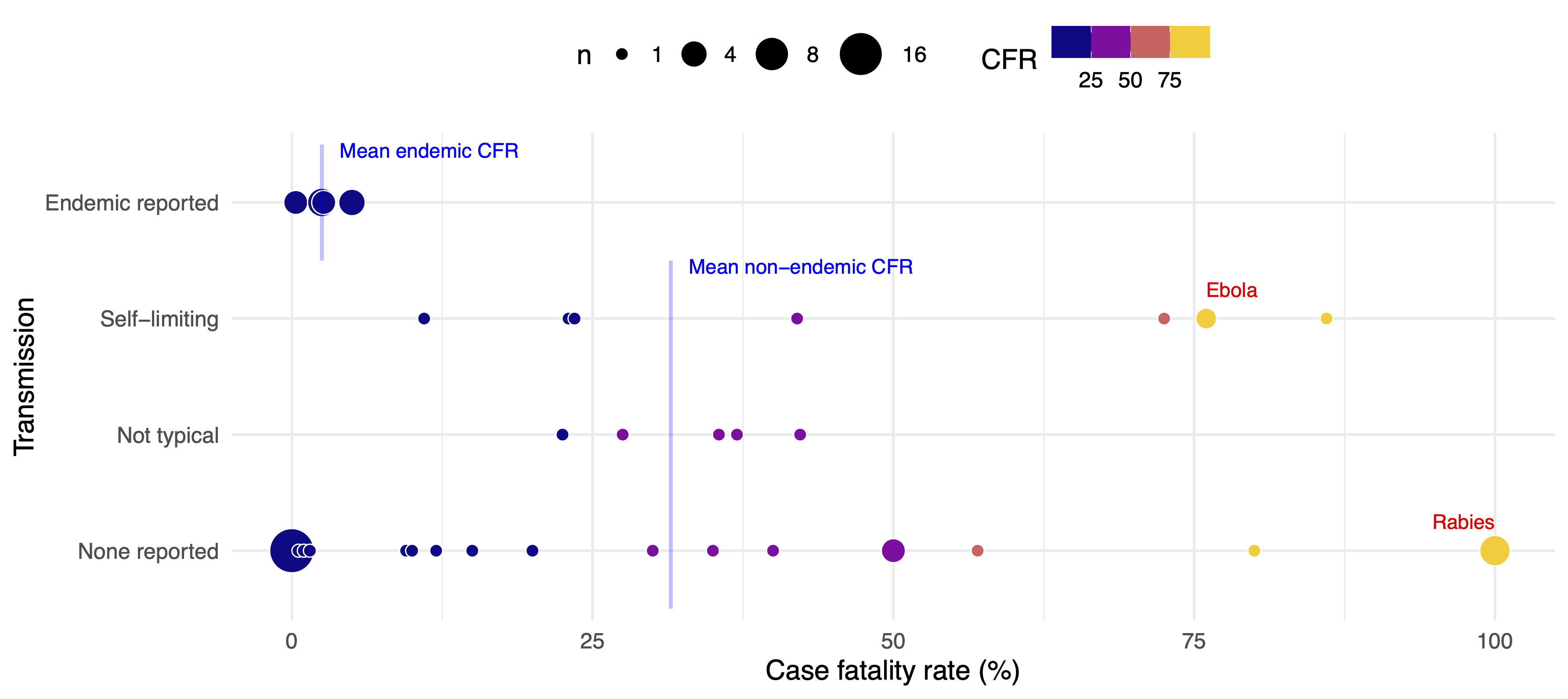
Guth et al. (2019)

References

Bogdan, Ryan, Alexander S. Hatoum, Emma C. Johnson, and Arpana Agrawal. 2022. “The Genetically Informed Neurobiology of Addiction (GINA) Model.” Nature Reviews Neuroscience 24 (1): 40<U+2013>57. https://doi.org/10.1038/s41583-022-00656-8.
Brierley, Liam, Amy B. Pedersen, and Mark E. J. Woolhouse. 2019. “Tissue Tropism and Transmission Ecology Predict Virulence of Human RNA Viruses.” PLOS Biology 17 (11): e3000206. https://doi.org/10.1371/journal.pbio.3000206.
Brinkworth, Jessica F., and Negin Valizadegan. 2021. “Sepsis and the Evolution of Human Increased Sensitivity to Lipopolysaccharide.” Evolutionary Anthropology: Issues, News, and Reviews 30 (2): 141–57. https://doi.org/10.1002/evan.21887.
Choate, Lauren A, Gilad Barshad, Pierce W McMahon, Iskander Said, Edward J Rice, Paul R Munn, James J Lewis, and Charles G Danko. 2021. “Multiple Stages of Evolutionary Change in Anthrax Toxin Receptor Expression in Humans.” Nature Communications 12 (1): 6590.
Domı́nguez-Rodrigo, Manuel, Enrique Baquedano, Elia Organista, Lucı́a Cobo-Sánchez, Audax Mabulla, Vivek Maskara, Agness Gidna, et al. 2021. “Early Pleistocene Faunivorous Hominins Were Not Kleptoparasitic, and This Impacted the Evolution of Human Anatomy and Socio-Ecology.” Scientific Reports 11 (1): 16135.
Dufloo, Jérémy, Iván Andreu-Moreno, Jorge Moreno-Garcı́a, Ana Valero-Rello, and Rafael Sanjuán. 2025. “Receptor-Binding Proteins from Animal Viruses Are Broadly Compatible with Human Cell Entry Factors.” Nature Microbiology, 1–15.
Duke, Daron, Eric Wohlgemuth, Karen R Adams, Angela Armstrong-Ingram, Sarah K Rice, and D Craig Young. 2022. “Earliest Evidence for Human Use of Tobacco in the Pleistocene Americas.” Nature Human Behaviour 6 (2): 183–92.
Food and Agriculture Organization. 2019. “FAOSTAT.” http://www.fao.org/faostat/en/#home.
Garritsen, Oxana, Eljo Y. van Battum, Laurens M. Grossouw, and R. Jeroen Pasterkamp. 2023. “Development, Wiring and Function of Dopamine Neuron Subtypes.” Nature Reviews Neuroscience 24 (3): 134<U+2013>152. https://doi.org/10.1038/s41583-022-00669-3.
Goodchild, Mark, Nigar Nargis, and Edouard Tursan d’Espaignet. 2018. “Global Economic Cost of Smoking-Attributable Diseases.” Tobacco Control 27 (1): 58–64.
Guth, Sarah, Elisa Visher, Mike Boots, and Cara E. Brook. 2019. “Host Phylogenetic Distance Drives Trends in Virus Virulence and Transmissibility Across the Animal-Human Interface.” Philosophical Transactions of the Royal Society B: Biological Sciences 374 (1782): 20190296. https://doi.org/10.1098/rstb.2019.0296.
Han, Barbara A, Andrew M Kramer, and John M Drake. 2016b. “Global Patterns of Zoonotic Disease in Mammals.” Trends in Parasitology 32 (7): 565–77.
———. 2016a. “Global Patterns of Zoonotic Disease in Mammals.” Trends in Parasitology 32 (7): 565–77.
Hyman, Steven E., Robert C. Malenka, and Eric J. Nestler. 2006. “Neural Mechanisms of Addiction: The Role of Reward-Related Learning and Memory.” Annual Review of Neuroscience 29 (1): 565<U+2013>598. https://doi.org/10.1146/annurev.neuro.29.051605.113009.
Khan, Naazneen, Marc de Manuel, Stephane Peyregne, Raymond Do, Kay Prufer, Tomas Marques-Bonet, Nissi Varki, Pascal Gagneux, and Ajit Varki. 2020. “Multiple Genomic Events Altering Hominin SIGLEC Biology and Innate Immunity Predated the Common Ancestor of Humans and Archaic Hominins.” Genome Biology and Evolution 12 (7): 1040–50.
Kim, Jun-Seob, Sung-Jin Yoon, Young-Jun Park, Seon-Yeong Kim, and Choong-Min Ryu. 2020. “Crossing the Kingdom Border: Human Diseases Caused by Plant Pathogens.” Environmental Microbiology 22 (7): 2485–95.
Koob, George F, and Nora D Volkow. 2009. “Neurocircuitry of Addiction.” Neuropsychopharmacology 35 (1): 217<U+2013>238. https://doi.org/10.1038/npp.2009.110.
———. 2016. “Neurobiology of Addiction: A Neurocircuitry Analysis.” The Lancet Psychiatry 3 (8): 760–73.
Medema, Marnix H, Tristan de Rond, and Bradley S Moore. 2021. “Mining Genomes to Illuminate the Specialized Chemistry of Life.” Nature Reviews Genetics 22 (9): 553–71.
Neco, Lucia C, Eric S Abelson, Asia Brown, Barbara Natterson-Horowitz, and Daniel T Blumstein. 2019. “The Evolution of Self-Medication Behaviour in Mammals.” Biological Journal of the Linnean Society 128 (2): 373–78.
Rakhi, NK, Rudraksh Tuwani, Jagriti Mukherjee, and Ganesh Bagler. 2018. “Data-Driven Analysis of Biomedical Literature Suggests Broad-Spectrum Benefits of Culinary Herbs and Spices.” PloS One 13 (5): e0198030.
Roulette, Casey J, Hayley Mann, Brian M Kemp, Mark Remiker, Jennifer W Roulette, Barry S Hewlett, Mirdad Kazanji, et al. 2014. “Tobacco Use Vs. Helminths in Congo Basin Hunter-Gatherers: Self-Medication in Humans?” Evolution and Human Behavior 35 (5): 397–407.
Shivappa, Nitin, Susan E Steck, Thomas G Hurley, James R Hussey, and James R Hébert. 2014. “Designing and Developing a Literature-Derived, Population-Based Dietary Inflammatory Index.” Public Health Nutrition 17 (8): 1689–96.
Sitte, Harald H. 2024. “Structures of the Dopamine Transporter Point to Ways to Target Addiction and Disease.” Nature 632 (8025): 509<U+2013>511. https://doi.org/10.1038/d41586-024-02435-0.
Terauchi, Akiko, Erin M. Johnson-Venkatesh, and Hisashi Umemori. 2025. “Establishing Functionally Segregated Dopaminergic Circuits.” Trends in Neurosciences 48 (2): 156–70. https://doi.org/10.1016/j.tins.2024.12.002.
Weyrich, Laura S., Sebastian Duchene, Julien Soubrier, Luis Arriola, Bastien Llamas, James Breen, Alan G. Morris, et al. 2017. “Neanderthal Behaviour, Diet, and Disease Inferred from Ancient DNA in Dental Calculus.” Nature 544 (7650): 357–61. https://doi.org/10.1038/nature21674.
Yee, Andrew G., Yini Liao, Brian S. Muntean, and Christopher P. Ford. 2025. “Discrete Spatiotemporal Encoding of Striatal Dopamine Transmission.” Science 389 (6756): 200–206. https://doi.org/10.1126/science.adp9833.